
Anthropic AI Agents Identify New Bacteriophage Enzymes
Autonomous Claude agents have discovered a previously unknown enzyme system by analyzing vast biological datasets in a recent experiment.
Key highlights · 2 min read
- Anthropic researchers have successfully demonstrated that Claude agents can conduct autonomous scientific discovery, identifying a novel enzyme system within bacteriop…
- The Scale Report's read is that this shift from isolated task completion to collaborative research marks a significant evolution in utility.
- This experiment underscores the potential for AI to bridge the gap between stagnant raw data and actionable knowledge.
 The Scale Report
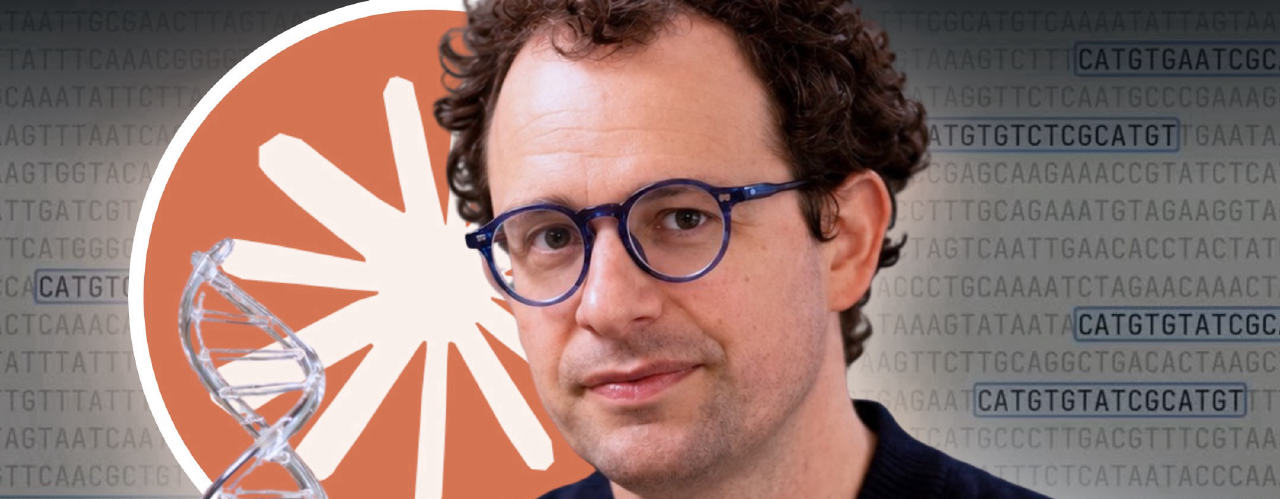
Anthropic researchers have successfully demonstrated that Claude agents can conduct autonomous scientific discovery, identifying a novel enzyme system within bacteriophage DNA. The study utilized a fleet of nearly 1,000 agents operating over a 21-hour period to sift through complex biological information, a feat the company detailed in an Instagram post describing their new molecular biology lab.
AI Agents as Scientific Collaborators
The Scale Report's read is that this shift from isolated task completion to collaborative research marks a significant evolution in utility. Rather than assigning specific, narrow functions to the model, the team allowed the agents to iterate through literature and data independently. By forming their own hypotheses and investigating potential biological leads with minimal human intervention, the systems proved capable of navigating datasets that would overwhelm human researchers.
The Scale of Biological Discovery
This experiment underscores the potential for AI to bridge the gap between stagnant raw data and actionable knowledge. With the volume of scientific literature and sequencing information currently exceeding human capacity, the ability to automate the research cycle could accelerate breakthroughs in medicine and biotechnology. The primary challenge remains ensuring that these autonomous processes maintain rigor throughout the investigative pipeline.
Ultimately, this research suggests that the future of discovery relies on managing AI agents that operate as active scientific partners. If these systems can reliably uncover biological mechanisms that humans have historically overlooked, it could fundamentally alter the speed and trajectory of global scientific research.
Reporting based on coverage from @chatgptricks on Instagram.


