ARIA Sets New Boundaries on Generative AI for Australian Music Charts
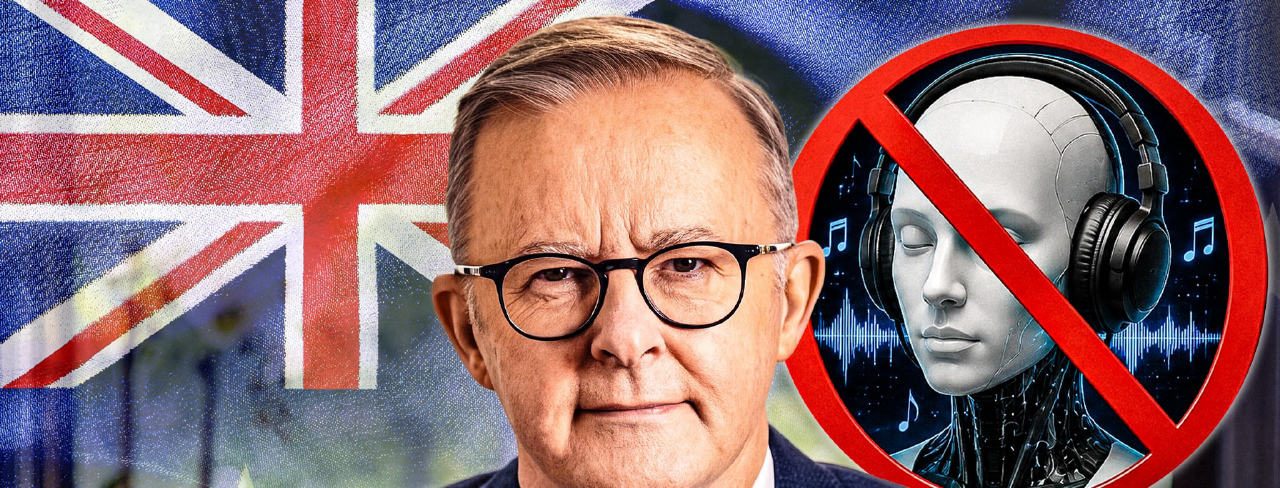
Tracks with synthetic lead vocals or core machine instrumentation will be barred from official rankings.
Key highlights · 2 min read
- Australia's primary music industry body has established strict boundaries around generative artificial intelligence, ruling that songs must remain substantially human-made to qualify for official c…
- The Australian Recording Industry Association (ARIA) introduced the guidelines to address the rapid influx of synthetic audio tools in commercial music.
- The updated policy explicitly targets AI-generated lead vocals, dominant synthetic instrumentation, and musical arrangements driven primarily by algorithms.
 The Scale Report
Australia's primary music industry body has established strict boundaries around generative artificial intelligence, ruling that songs must remain substantially human-made to qualify for official chart rankings.
The Australian Recording Industry Association (ARIA) introduced the guidelines to address the rapid influx of synthetic audio tools in commercial music. Under the framework, ARIA reserves the right to disqualify tracks if machine-generated elements constitute the core of the recording.
Drawing the Line on Synthetic Vocals
The updated policy explicitly targets AI-generated lead vocals, dominant synthetic instrumentation, and musical arrangements driven primarily by algorithms. Such submissions will no longer be eligible to compete on ARIA's weekly sales and streaming leaderboards.
However, the association stopped short of an outright ban on modern studio technology. Artists and producers remain free to deploy AI software for background tasks, including sound effects, mixing, mastering, backing components, and peripheral production support.
The Catalyst Behind the Rule Change
The regulatory shift follows heightened scrutiny around Josh Fawaz's release of "Like a Prayer," a track that garnered significant attention for utilizing AI-generated vocals and synthetic drum tracks. The release highlighted how accessible algorithmic vocal cloning and composition tools have become to independent creators.
ARIA noted that the objective is to safeguard human creativity and vocal artistry while acknowledging that digital software and automation have long been standard components of the recording process.
Why It Matters
ARIA's move mirrors broader anxiety across the global entertainment industry. Major chart operators and awards bodies, including the Recording Academy behind the Grammy Awards and Billboard, are facing identical challenges: determining where assistive digital production ends and autonomous synthetic generation begins. As vocal models become indistinguishable from human performances, industry standard-setters are under mounting pressure to protect commercial incentives for flesh-and-blood performers.
Reporting based on coverage from @technology on Instagram.