Barber Leverages AI Coding Assistant to Launch Haircut Preview Tool Klippvia
Nineteen-year-old Nour Eddin Khalil built the styling app using natural-language development platform Lovable.
Key highlights · 2 min read
- Nour Eddin Khalil, a 19-year-old fourth-generation barber, has developed and launched Klippvia, a consumer software application designed to let salon and barbershop clients preview hairstyles befor…
- Without a background in computer science or traditional software engineering, Khalil built the product using Lovable, an emerging platform that translates natural-language instructions into functio…
- Klippvia aims to solve a persistent operational problem in personal grooming: the communication gap between what a client envisions and what a barber executes.
 The Scale Report
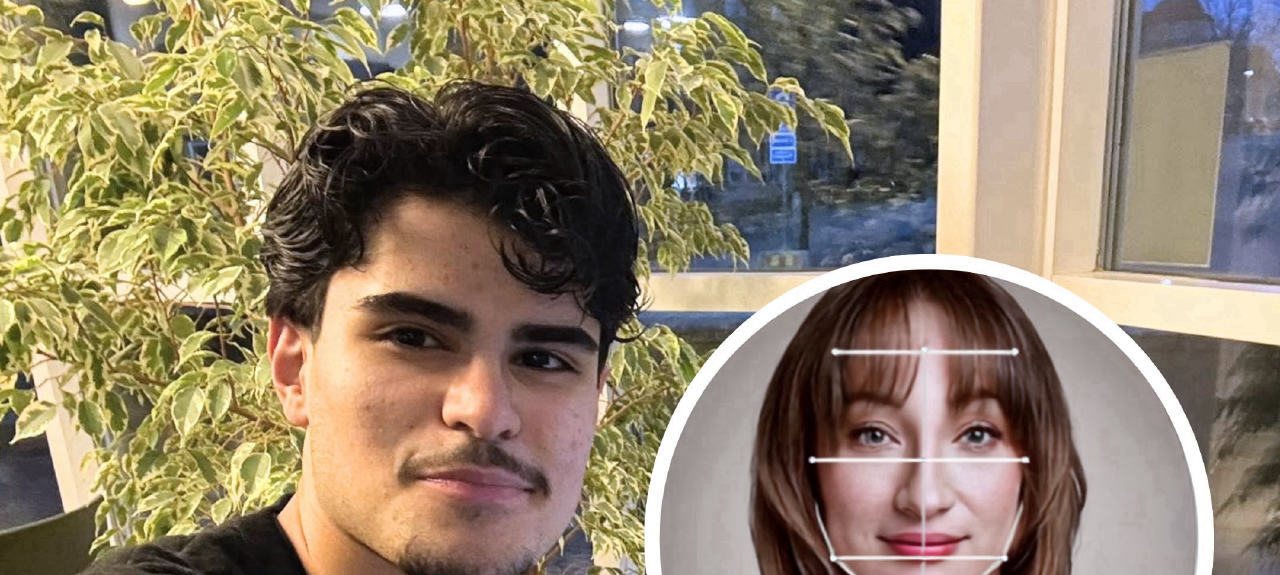
Nour Eddin Khalil, a 19-year-old fourth-generation barber, has developed and launched Klippvia, a consumer software application designed to let salon and barbershop clients preview hairstyles before committing to a cut.
Without a background in computer science or traditional software engineering, Khalil built the product using Lovable, an emerging platform that translates natural-language instructions into functional, full-stack software. The system handles code generation, user interface design, database setup, and application deployment through a conversational interface.
Klippvia aims to solve a persistent operational problem in personal grooming: the communication gap between what a client envisions and what a barber executes. By providing visual pre-cut modeling, the tool attempts to eliminate guesswork before the client sits in the chair.
The Rise of Domain-Specific Creators
Khalil's development workflow highlights a broader shift in early-stage software creation. Generative AI development environments are increasingly enabling domain experts - individuals with specialized trade knowledge but limited technical expertise - to build niche software products directly, bypassing the need to hire freelance developers or technical co-founders.
While visual app builders and no-code platforms have operated for years, conversational coding agents aim to reduce the friction of complex database architectures and backend infrastructure. However, questions remain around the long-term maintainability and scalability of applications generated entirely through prompt-driven workflows as user traffic and feature demands grow.
Reporting based on coverage from @chatgptricks on Instagram.