Bosch Showcases Cockpit Redesigns Enabled by Steer-by-Wire Systems
Eliminating the physical steering column allows automakers to rethink interior packaging and deploy stowable controls.
Key highlights · 2 min read
- Automotive supplier Bosch is highlighting the cabin packaging advantages of steer-by-wire systems, demonstrating how removing the physical mechanical connection between the steering wheel and front…
- In place of a traditional metal steering column, the setup uses purely electronic signaling.
- By severing the fixed mechanical link, automotive designers gain substantial flexibility inside the cockpit.
 The Scale Report
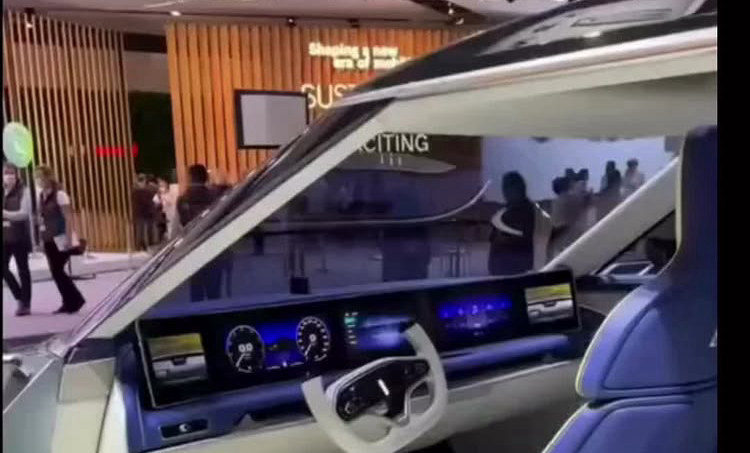
Automotive supplier Bosch is highlighting the cabin packaging advantages of steer-by-wire systems, demonstrating how removing the physical mechanical connection between the steering wheel and front axle can transform vehicle interiors.
In place of a traditional metal steering column, the setup uses purely electronic signaling. A sensor at the wheel detects driver input and transmits digital commands directly to an electric steering rack actuator on the front axle. To ensure the driver retains a sense of the road, a dedicated feedback actuator artificially reproduces resistance and tire dynamics through the rim.
By severing the fixed mechanical link, automotive designers gain substantial flexibility inside the cockpit. Bosch notes that the architecture allows for steering assemblies that can slide across the dashboard, retract entirely into the instrument panel, or fold away when autonomous driving modes are engaged.
Rethinking the Cabin Architecture
The shift toward steer-by-wire represents one of the final steps in decoupling legacy mechanical linkages in favor of fully digital control loops. While brake-by-wire and electronic throttle controls are already standard across modern fleets, steering has lagged behind due to stringent functional safety requirements and driver skepticism regarding artificial road feel.
Several major automakers have started bringing the concept to production. Tesla introduced steer-by-wire on the Cybertruck, while Toyota and Lexus have developed proprietary digital steering hardware scheduled for select electric models. Tier-one suppliers like Bosch are positioning themselves to supply modular systems to legacy manufacturers looking to modernize their platforms without building redundant electronic steering architectures from scratch.
For consumers, the immediate impact will be felt in interior ergonomics. As electric powertrains flatten vehicle floors and automated driving features reduce the continuous need for hands-on control, stowable steering mechanisms will become a primary differentiator in premium cabin design.
Reporting based on coverage from @technology on Instagram.