China Expands 'Dark Factory' Footprint as Automation Replaces Floor Labor
Xiaomi’s smartphone facility highlights a broader push toward round-the-clock, lights-out industrial production.
Key highlights · 2 min read
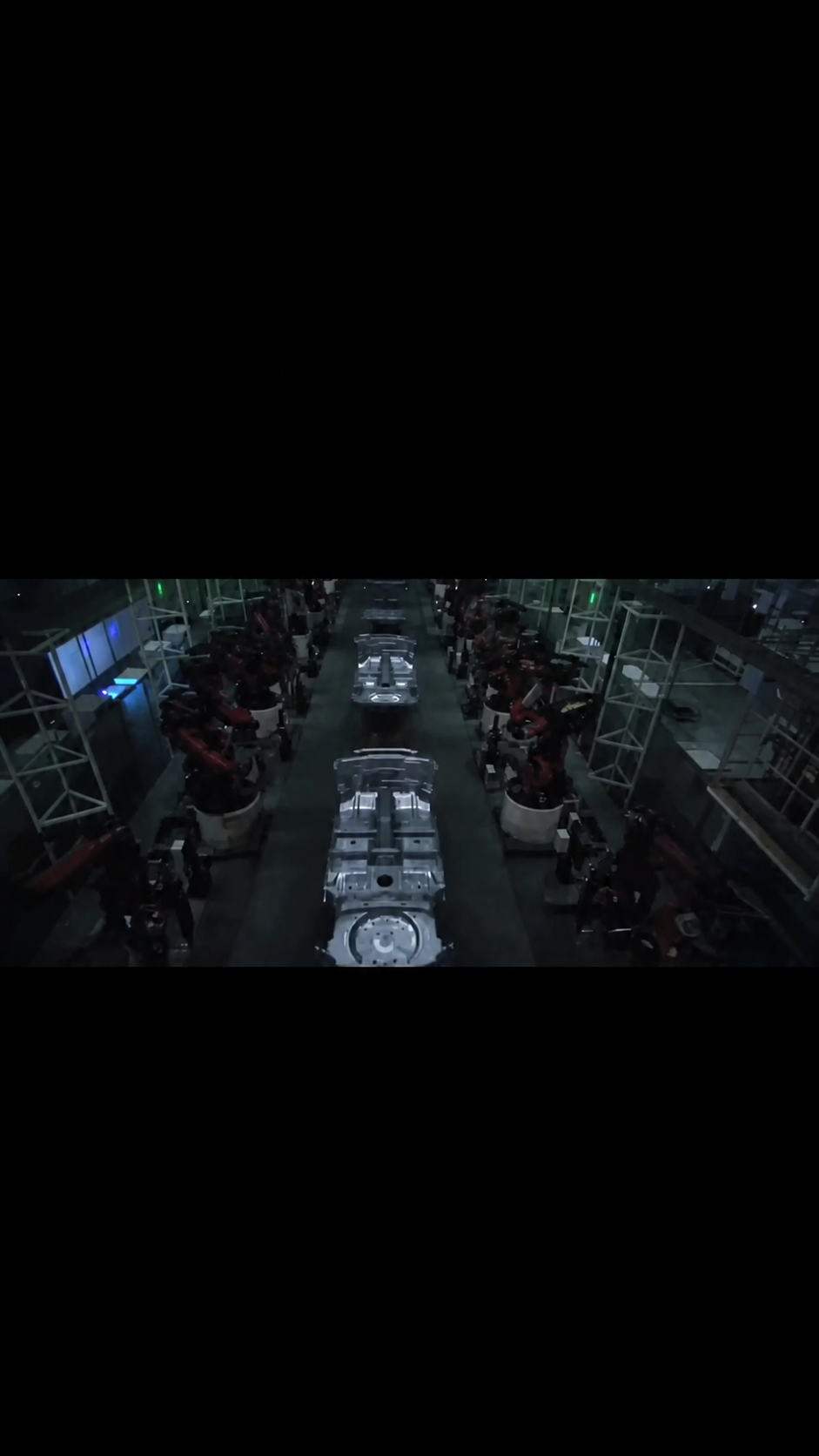
- Chinese manufacturers are accelerating the rollout of so-called "dark factories" - high-throughput industrial plants engineered to operate continuously without standard floor illumination or hands-…
- The operational model, traditionally known as lights-out manufacturing, relies on integrated robotics and automated software capable of maintaining production cycles 24 hours a day.
- Consumer electronics giant Xiaomi offers one of the clearest examples of this shift at scale.
 The Scale Report
Chinese manufacturers are accelerating the rollout of so-called "dark factories" - high-throughput industrial plants engineered to operate continuously without standard floor illumination or hands-on assembly workers.
The operational model, traditionally known as lights-out manufacturing, relies on integrated robotics and automated software capable of maintaining production cycles 24 hours a day. Because autonomous machinery and digital inspection tools do not rely on visible light to function, facilities can run unlit shifts, reducing utility overhead while maximizing machine utilization.
Automated Scale in Consumer Electronics
Consumer electronics giant Xiaomi offers one of the clearest examples of this shift at scale. The company's Changping smart factory, which covers an 81,000-square-meter footprint, is built to produce up to 10 million flagship smartphones annually. Core assembly and manufacturing stages across the facility run continuously with minimal direct manual intervention.
Industry analysts note, however, that the term "dark factory" should not be interpreted as completely uncrewed. While robots handle primary production tasks, facilities still require human technicians on-site and on-call to oversee line telemetry, perform preventative maintenance, recalibrate tooling, and resolve mechanical anomalies.
The Strategic Push for Automation
The expansion of lights-out facilities reflects broader macroeconomic pressures facing China's industrial base. Facing demographic shifts, rising domestic labor costs, and increasing supply-chain competition from emerging manufacturing hubs in India and Southeast Asia, Chinese hardware makers are turning to heavy automation to preserve manufacturing margins and maintain domestic production volumes.
Reporting based on coverage from @technology on Instagram.