
Dr. Dre Defends Generative Music Tools, Comparing Skeptics to Early Synthesizer Critics
The veteran producer says he is actively experimenting with AI in his studio and dismisses industry resistance as fear of change.
Key highlights · 2 min read
- Veteran hip-hop producer Dr.
- Speaking in an interview with The New York Times, covered by Variety, the producer drew a direct historical parallel between the current backlash against AI and the initial hostility directed at dr…
- Dre disclosed that he has already integrated generative systems into his experimental workflow, testing what machine-learning models can produce when fed his original compositions.
 The Scale Report
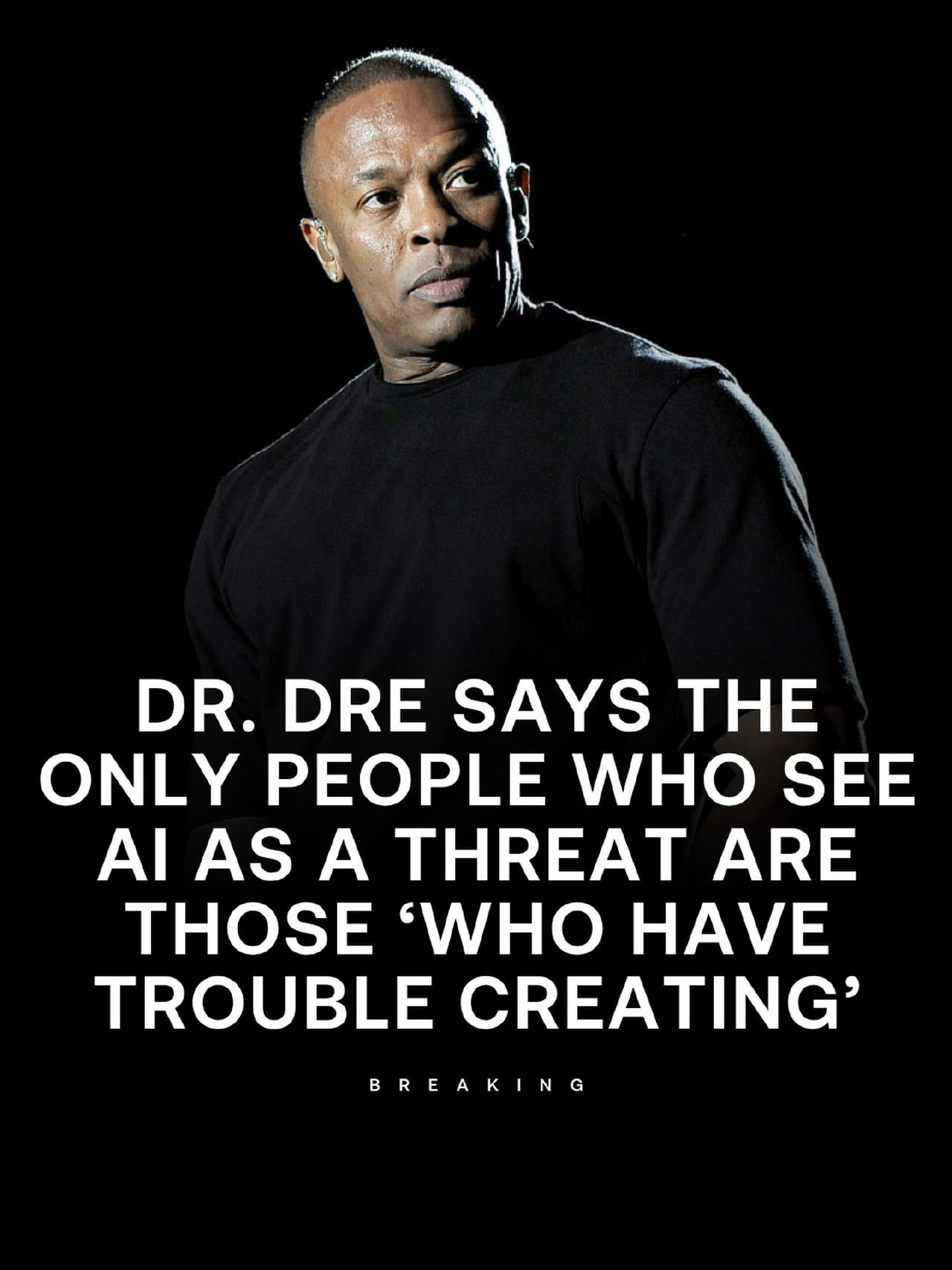
Veteran hip-hop producer Dr. Dre has publicly endorsed the use of artificial intelligence in the recording studio, framing generative music software as a natural successor to earlier studio breakthroughs rather than an existential threat to musicianship.
Speaking in an interview with The New York Times, covered by Variety, the producer drew a direct historical parallel between the current backlash against AI and the initial hostility directed at drum machines and synthesizers. Both technologies were initially dismissed by traditionalists before becoming essential pillars of modern music production.
Dre disclosed that he has already integrated generative systems into his experimental workflow, testing what machine-learning models can produce when fed his original compositions. He characterized AI primarily as an expansive creative utility rather than a replacement for human input.
Addressing the widespread pushback across the creative community, Dre suggested that much of the anxiety surrounding automation is rooted in an unwillingness to learn unfamiliar workflows.
A Growing Rift in Audio Production
Dre’s comments highlight a persistent divide between working studio innovators and the institutional music industry. While major labels and artist rights organizations mount legal challenges against AI model developers over unauthorized training on copyrighted catalogs, established producers are increasingly treating generative audio engines as standard creative hardware. Whether the broader recording ecosystem will follow Dre's pragmatic approach remains contingent on ongoing copyright litigation and licensing frameworks.
Reporting based on coverage from @eluna.ai on Instagram.


