
Eight-Year-Old Uses AI App Builder Lovable to Launch Community Wildlife Tracker
Markham student Viyoohan Sayooran created Urban Wild Watch to map coyote and bear sightings without drawing crowds to animals.
Key highlights · 2 min read
- Viyoohan Sayooran, an eight-year-old student living in Markham, Ontario, has launched a civic wildlife reporting platform called Urban Wild Watch, creating a functional web application with the ass…
- Sayooran built the tool in response to frequent coyote and bear encounters across Ontario's York Region.
- The resulting web app allows community members to log sightings of active wildlife, injured animals, and orphaned creatures at no cost.
 The Scale Report
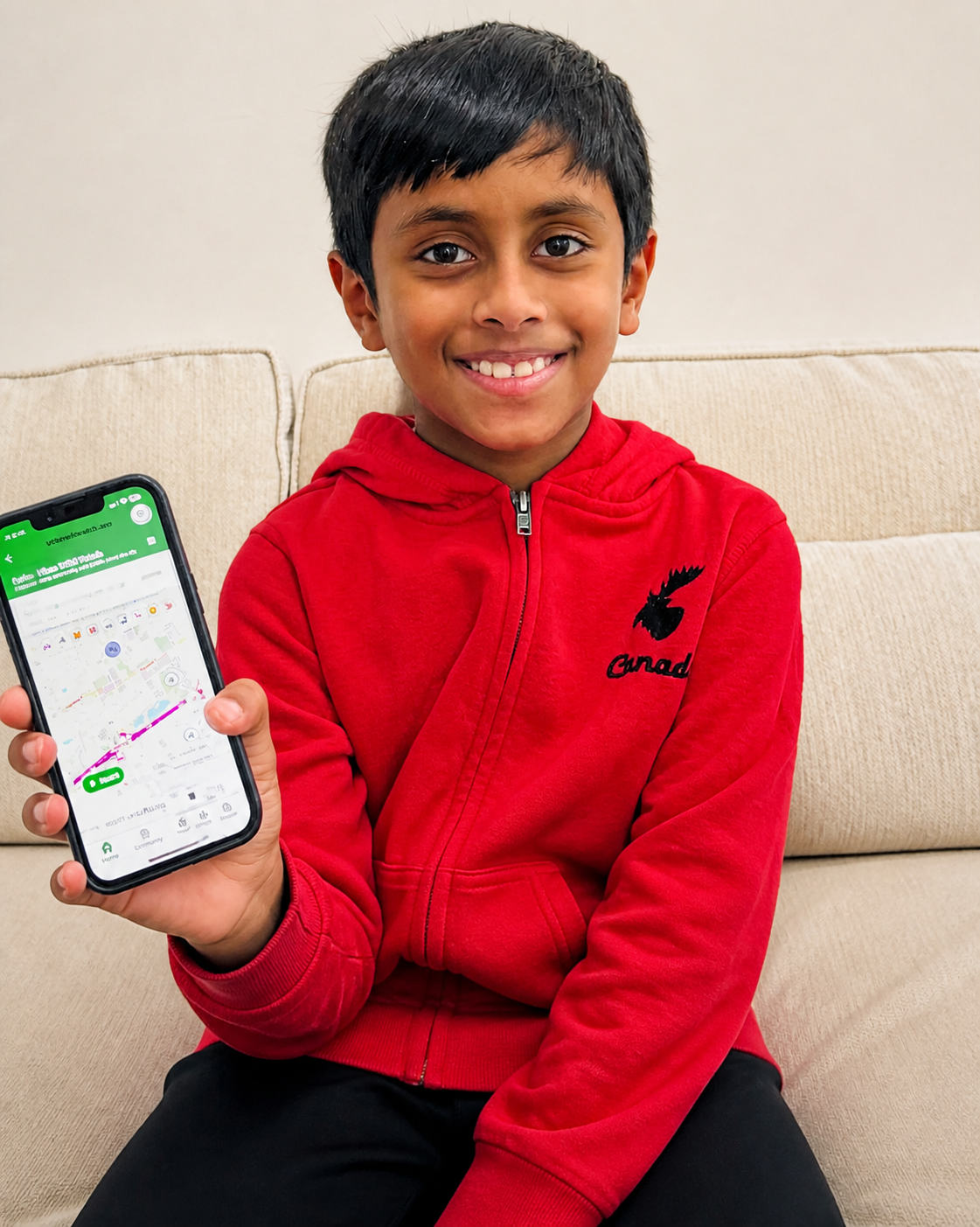
Viyoohan Sayooran, an eight-year-old student living in Markham, Ontario, has launched a civic wildlife reporting platform called Urban Wild Watch, creating a functional web application with the assistance of natural-language coding tools.
Sayooran built the tool in response to frequent coyote and bear encounters across Ontario's York Region. Looking for a way to help neighbors monitor local animal activity, he used artificial intelligence to structure his initial concepts before turning to AI software builder Lovable to generate the underlying codebase, database architecture, user interface, and live deployment from text instructions.
The resulting web app allows community members to log sightings of active wildlife, injured animals, and orphaned creatures at no cost. To mitigate safety risks, the application deliberately masks specific GPS coordinates, displaying only broad neighborhood areas to keep residents informed without attracting crowds of onlookers to vulnerable wildlife.
Sayooran's creation gained broader attention after a segment on CTV National News and a profile shared by @technology on Instagram. The project relies on conversational prompting systems that automate backend development, reflecting a broader trend toward text-to-app interfaces.
The project underscores how rapidly generative software tools are lowering barriers to entry for software creation. While conversational coding platforms remain subject to ongoing debates around code quality and security, they increasingly allow non-technical creators and young students to deploy functional civic tools without traditional programming experience.
Reporting based on coverage from @technology on Instagram.


