Engineer Ronak Malde Uses AI to Defeat Minecraft Ender Dragon
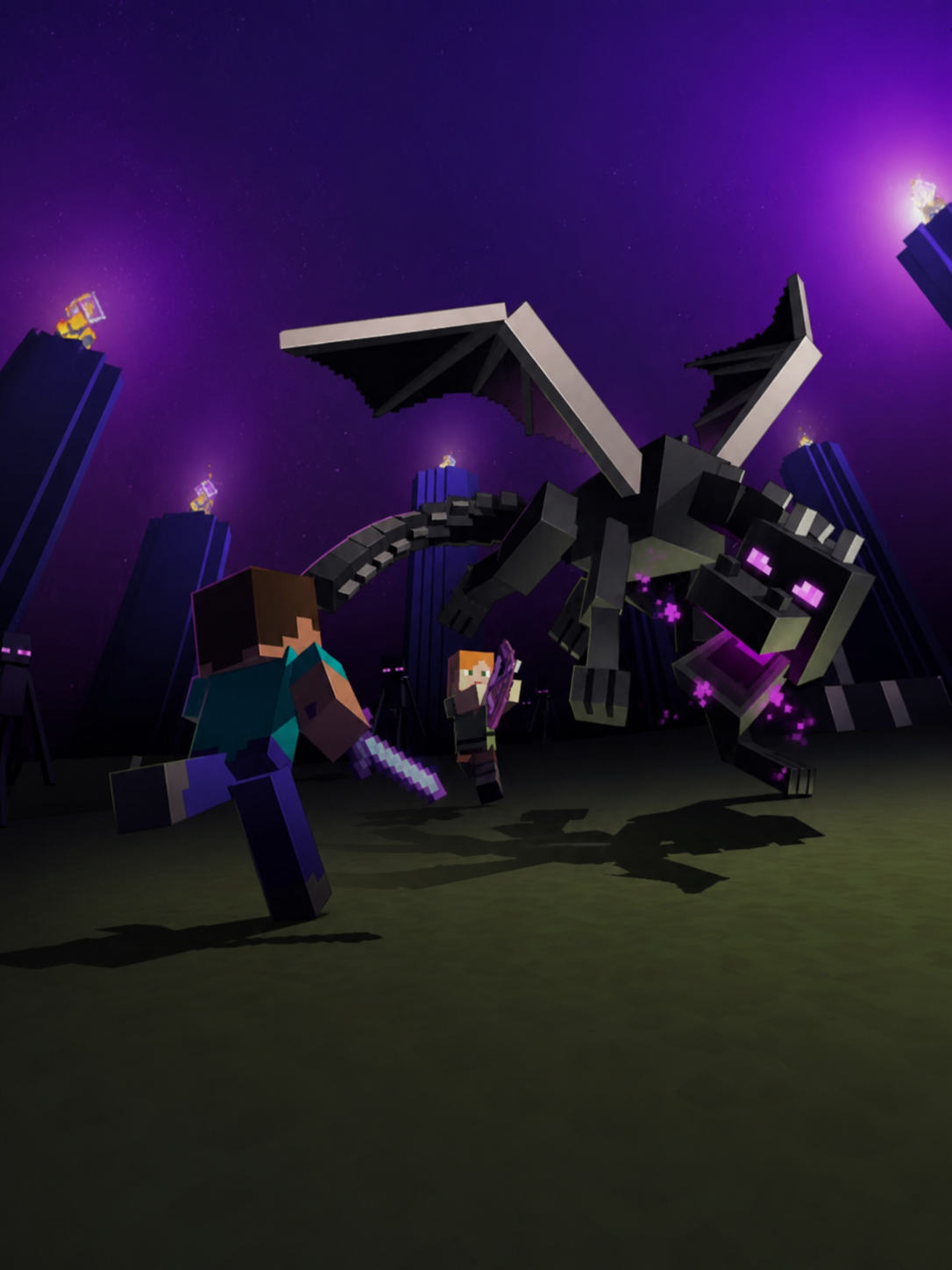
An autonomous AI agent created by engineer Ronak Malde beat the Minecraft Ender Dragon in under nine minutes for less than one dollar in compute.
Key highlights · 2 min read
- Engineer Ronak Malde has successfully developed an autonomous AI agent capable of defeating the Ender Dragon in Minecraft in only 8 minutes and 43 seconds.
- To execute the challenge, Malde integrated two distinct technologies to manage decision making and long-term planning.
- According to data shared by Malde, the agent completed the task through a highly efficient process, requiring only 131 Jev decisions and 35 API calls to the Astra model.
 The Scale Report
Engineer Ronak Malde has successfully developed an autonomous AI agent capable of defeating the Ender Dragon in Minecraft in only 8 minutes and 43 seconds. The feat, highlighted by @eluna.ai, was achieved with an impressively low overhead, as the total cost of the compute utilized for the run amounted to approximately $0.97.
Architecture of the AI agent
To execute the challenge, Malde integrated two distinct technologies to manage decision making and long-term planning. The system utilized TypeSafe's Jev platform to handle rapid, frame-by-frame in-game decisions, while OpenAI's GPT-6 Astra served as the central engine for strategic planning and skill acquisition.
Computational efficiency of the run
According to data shared by Malde, the agent completed the task through a highly efficient process, requiring only 131 Jev decisions and 35 API calls to the Astra model. The Scale Report notes that such a low count of model inferences is significant, as most complex gaming agents typically require high-frequency model calls that lead to ballooning costs.
Impact on open source research
By open-sourcing the underlying code and documentation, Malde has provided the developer community with a repeatable framework for building resource-efficient agents. This approach demonstrates a shift in AI development where engineers prioritize selective model usage over constant inference to optimize both latency and project budget. As the industry moves toward more complex autonomous tasks, these low-cost benchmarks provide a baseline for what is possible with current multimodal models.
Reporting based on coverage from @eluna.ai on Instagram.