Engineering at the Edge: How Halo Superbikes Became Real-World Testbeds
From 247-horsepower Ducatis to six-figure MotoGP replicas, manufacturers continue to push the boundaries of low-volume performance.
Key highlights · 2 min read
- The upper tier of the motorcycle industry has increasingly discarded conventional cost constraints, turning limited-run production bikes into direct showcases for Grand Prix engineering, exotic com…
- At the forefront of road-legal output, Ducati’s forthcoming 2026 Superleggera V4 Centenario pushes track-derived engineering to as much as 247 horsepower.
- Other legacy manufacturers have leaned heavily into composite structures and alternative induction systems to redefine power-to-weight ratios.
 The Scale Report
The upper tier of the motorcycle industry has increasingly discarded conventional cost constraints, turning limited-run production bikes into direct showcases for Grand Prix engineering, exotic composite metallurgy, and extreme forced induction.
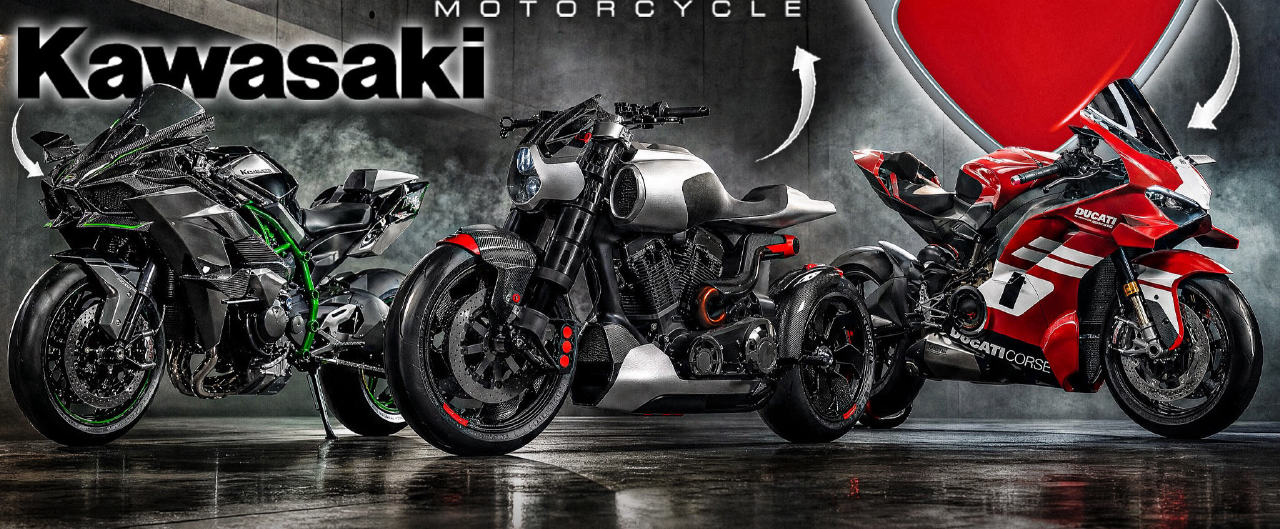
At the forefront of road-legal output, Ducati’s forthcoming 2026 Superleggera V4 Centenario pushes track-derived engineering to as much as 247 horsepower. The model represents the latest step in a lineage that includes the original MotoGP-derived Desmosedici RR and the carbon-intensive Superleggera V4 platform. Japanese rival Honda executed a similar homologation exercise with the RC213V-S, delivering an authentic Grand Prix package to customer garages at an entry price of $184,000.
Carbon Frames and Supercharged Platforms
Other legacy manufacturers have leaned heavily into composite structures and alternative induction systems to redefine power-to-weight ratios. BMW Motorrad strictly capped its carbon-fiber-framed HP4 Race track machine to a production run of only 750 units.
Kawasaki took an alternative technological route by introducing a centrifugal supercharger on the closed-course H2R, developing a forced-induction powertrain that Italian manufacturer Bimota subsequently adopted and integrated alongside a hub-center steering chassis layout.
Boutique and low-volume builders have pushed exclusivity even further. ARCH Motorcycle limited production of its titanium- and carbon-clad Method 143 to just 23 units, while MV Agusta channeled high-output drag aesthetics into the Rush 1000 hyper-naked platform.
For major manufacturers, these ultra-limited releases operate as both brand anchors and real-world R&D incubators. The exorbitant price points absorb the high manufacturing scrap rates of structural carbon fiber and advanced telemetry software, providing a financially viable testing pipeline before those technologies trickle down into mass-production sportbikes.
Reporting based on coverage from @technology on Instagram.