Escalating Franchise Valuations Reshape Ownership Dynamics Across Major Leagues
Transactions once viewed as market overreaches have reset valuation baselines, pulling in new capital and testing the resolve of legacy owners.
Key highlights · 2 min read
- A string of record-breaking sports transactions has fundamentally altered how institutional investors and ultra-wealthy buyers view top-tier franchises.
- The trajectory of modern franchise sales demonstrates how quickly price skepticism tends to evaporate in professional sports finance.
- That consistent history of capital appreciation is drawing an aggressive new class of buyers to the negotiating table.
 The Scale Report
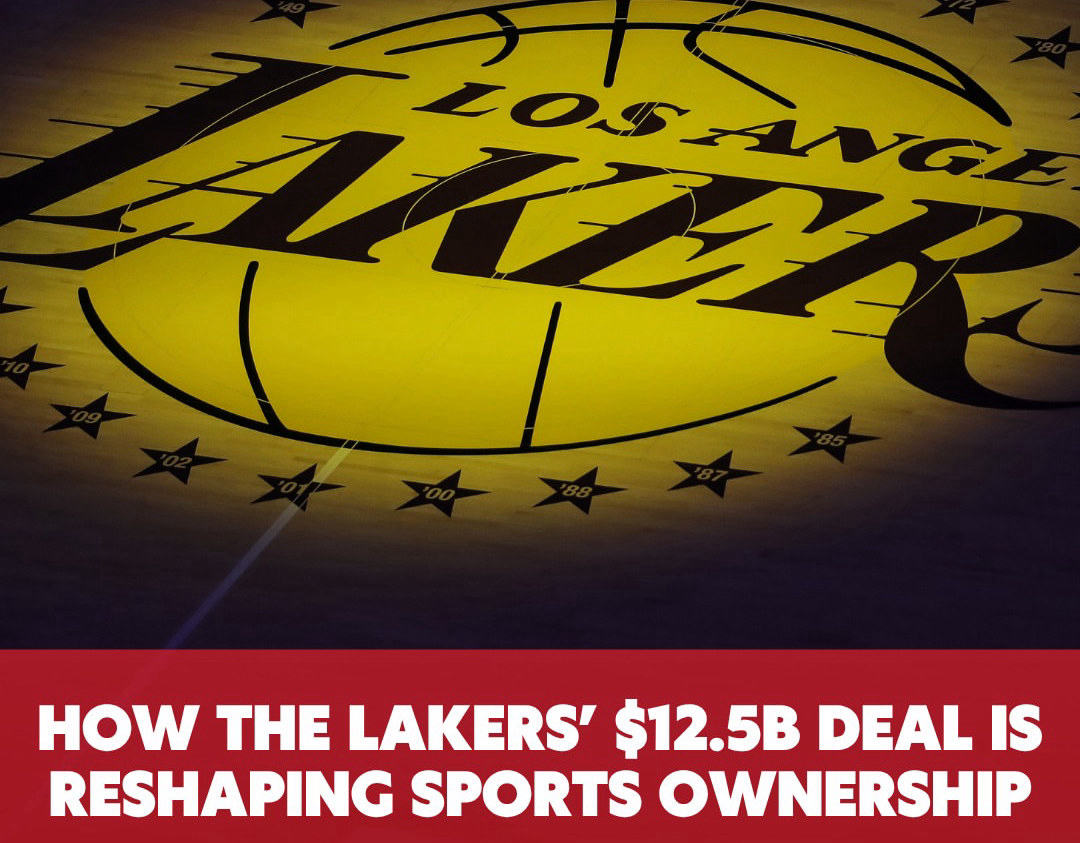
A string of record-breaking sports transactions has fundamentally altered how institutional investors and ultra-wealthy buyers view top-tier franchises. Anchored by the benchmark $12.5 billion valuation figure tied to recent Los Angeles Lakers stake transactions, the market for premier sports assets has largely detached from standard revenue multiples, evolving into an asset class defined by extreme scarcity and resilient broadcast economics.
The trajectory of modern franchise sales demonstrates how quickly price skepticism tends to evaporate in professional sports finance. When Steve Ballmer purchased the Los Angeles Clippers for $2 billion in 2014, the sum was widely criticized as an irrational premium. Subsequent transactions, including the $4.65 billion acquisition of the Denver Broncos in 2022 and recent multi-billion-dollar team equity stakes, have turned those previous benchmarks into relative bargains.
The Scarcity Premium
That consistent history of capital appreciation is drawing an aggressive new class of buyers to the negotiating table. Beyond the traditional model of individual local magnates, ownership syndicates increasingly feature sovereign-backed funds, private equity vehicles, and technology executives seeking assets that offer both balance-sheet defense and global cultural reach.
Underpinning these valuations are long-term domestic and international media rights contracts that insulate leagues from broader macroeconomic downturns. As streaming platforms and traditional broadcasters battle over live sporting events - virtually the only content format capable of delivering reliable aggregate viewership - the underlying cash flow generation of marquee clubs continues to climb.
Why It Matters
The compounding rise in team values is changing the long-term governance of major sports leagues. As valuations push past the $10 billion threshold, generational wealth transfers become increasingly complicated by estate taxes and divided ownership stakes among heirs. As a result, even storied, multi-generational family-owned franchises are facing structural incentives to consider full or partial liquidity events.
Reporting based on coverage from @sportsbusinessjournal.