
Flame Launches a Streaming Platform Where AI Creators Set the Price
Flame is betting that the next generation of entertainment businesses will be built by AI creators who bring their own stories, audiences and ambitions.
Key highlights · 4 min read
- Flame is betting that the next generation of entertainment businesses will be built by AI creators bringing their own stories, audiences and ambitions.
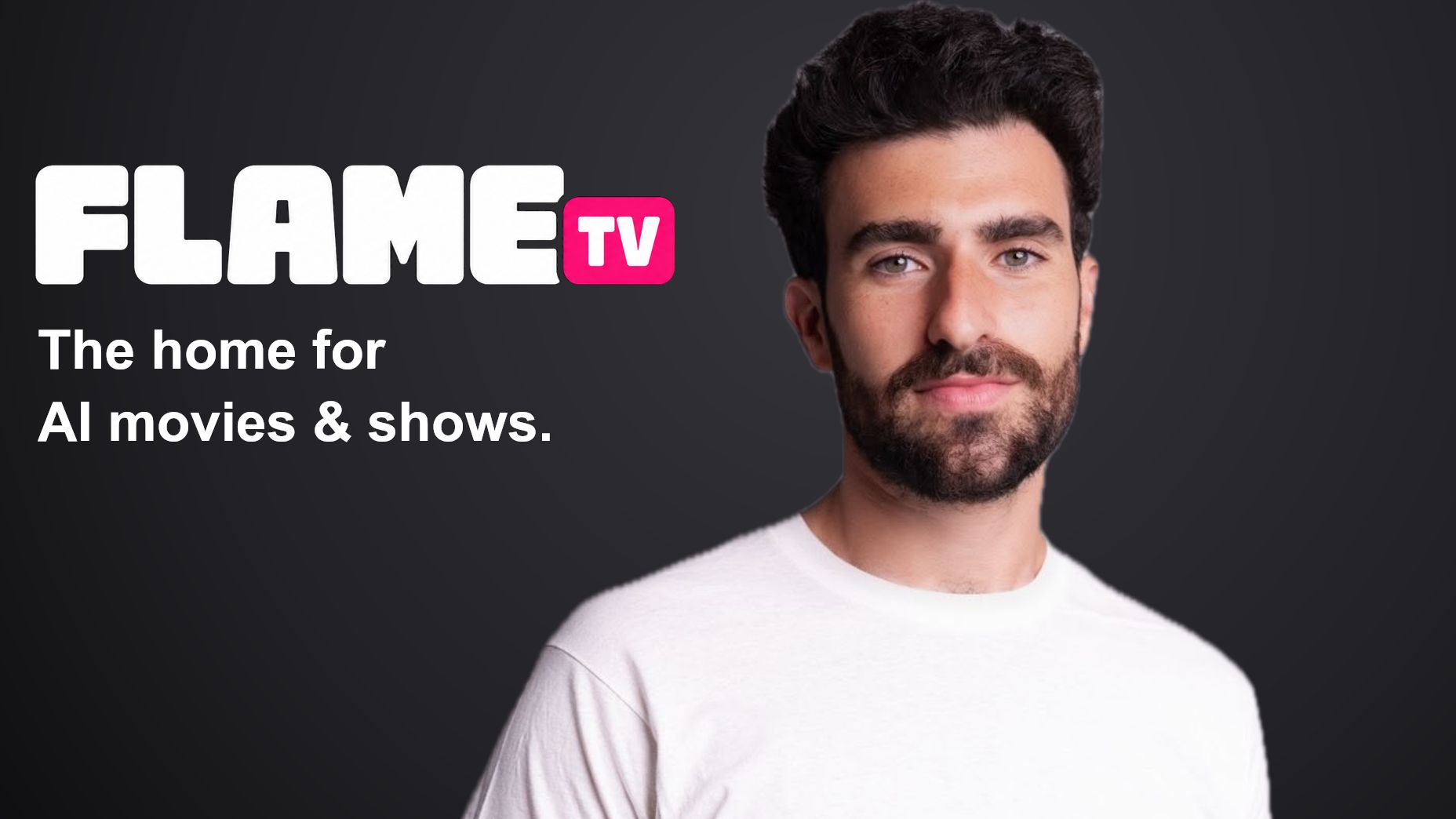
- Founded by CEO Natan Castiel, the streaming platform lets creators upload videos, package them into episodes with paid access and sell directly to viewers at prices they choose.
- New AI tools are making it possible for individuals and small teams to make work that used to take a whole studio.
 The Scale Report
Flame is betting that the next generation of entertainment businesses will be built by AI creators bringing their own stories, audiences and ambitions.
Founded by CEO Natan Castiel, the streaming platform lets creators upload videos, package them into episodes with paid access and sell directly to viewers at prices they choose. Flame says thousands of creators are joining each month. Its goal is to help them turn social followings into paying audiences for original entertainment.
Creation Is Booming. Monetization Is Catching Up.
New AI tools are making it possible for individuals and small teams to make work that used to take a whole studio. In August 2026, AI app-building platform Lovable reported more than 60 million projects created since its November 2024 launch. That same month, Leonardo.Ai reported more than 4.7 billion images and 64 million videos generated by users.
As tools become commonplace, taste, memorable characters and audience attention remain scarce. So does a reliable route from creative work to income.
A creator may spend months building an original world, only to monetize it like another post. That is the gap Flame is targeting: making a show and financing its next season are still very different achievements.
Bringing the Microdrama Model to AI Creators
China offers a glimpse of the opportunity. Its domestic microdrama market exceeded 100 billion yuan, roughly $15 billion, in 2025, according to a broadcasting regulator official cited in a September 2026 government report. The official also said approximately 430,000 microdramas were released during the first eight months of 2026, with more than 90% using AI in production.
Flame aims to make episodic publishing and paid unlocks accessible to independent creators. They upload videos, choose a price and use a one-click workflow to help divide the content into episodes and set up paid access. Free episodes introduce the story; paid unlocks let viewers continue.

A short horror film, animated comedy or science-fiction series can each carry a price suited to its audience. Purchases offer a signal beyond views: which stories people value enough to pay for, and which might support another release.
Direct video sales already exist through platforms including Patreon and Vimeo OTT. Flame's opportunity is to combine that commercial freedom with simple publishing and a shared destination for AI movies and shows.
Thousands of Creators, Thousands of Potential Studios
Traditional streaming expansion requires substantial investment. Netflix said in February 2026 that it expected to invest approximately $20 billion in films and series during the year.
Flame's wager is that AI can lower production costs and shorten timelines enough for independent creators to supply an expanding catalog. Creators produce and price their own titles, allowing Flame to grow without commissioning and financing every release.
Hosting, payments, moderation and discovery still cost money. The potential advantage is that Flame can concentrate on the platform while creators supply both entertainment and an initial audience.
For viewers, that could mean more unusual stories and niche fictional worlds, including projects too small to attract a major commissioning deal. The larger opportunity comes when someone arrives for one creator and discovers another, giving creators access to paying viewers beyond their existing followers.
Making that happen will depend on discovery, not simply adding more content.
From Niche Followings to Global Premieres
The model could eventually appeal to established stars as well as emerging creators.
Consider a hypothetical release by someone with Cristiano Ronaldo's global reach. An original AI movie or series attracting 20 million purchases at $10 each would generate $200 million in gross sales before fees and costs, potentially over an opening weekend.
That is an extraordinary scenario, not a forecast. It illustrates the combination of accessible production, an established audience and a direct way to buy.
The same principle applies at a smaller scale: a creator with a committed following could build a viable business without producing a worldwide hit.

For Castiel, the opportunity is thousands of creators developing their own stories, release schedules and relationships with paying viewers. Flame wants to be where they turn that creative freedom into businesses.
Reporting based on coverage from Flame.


