
How Japan Engineered High-Density Urban Automation into Everyday Life
From underground robotic bike vaults to civic lost-and-found networks, municipal infrastructure offers a model for automated density.
Key highlights · 2 min read
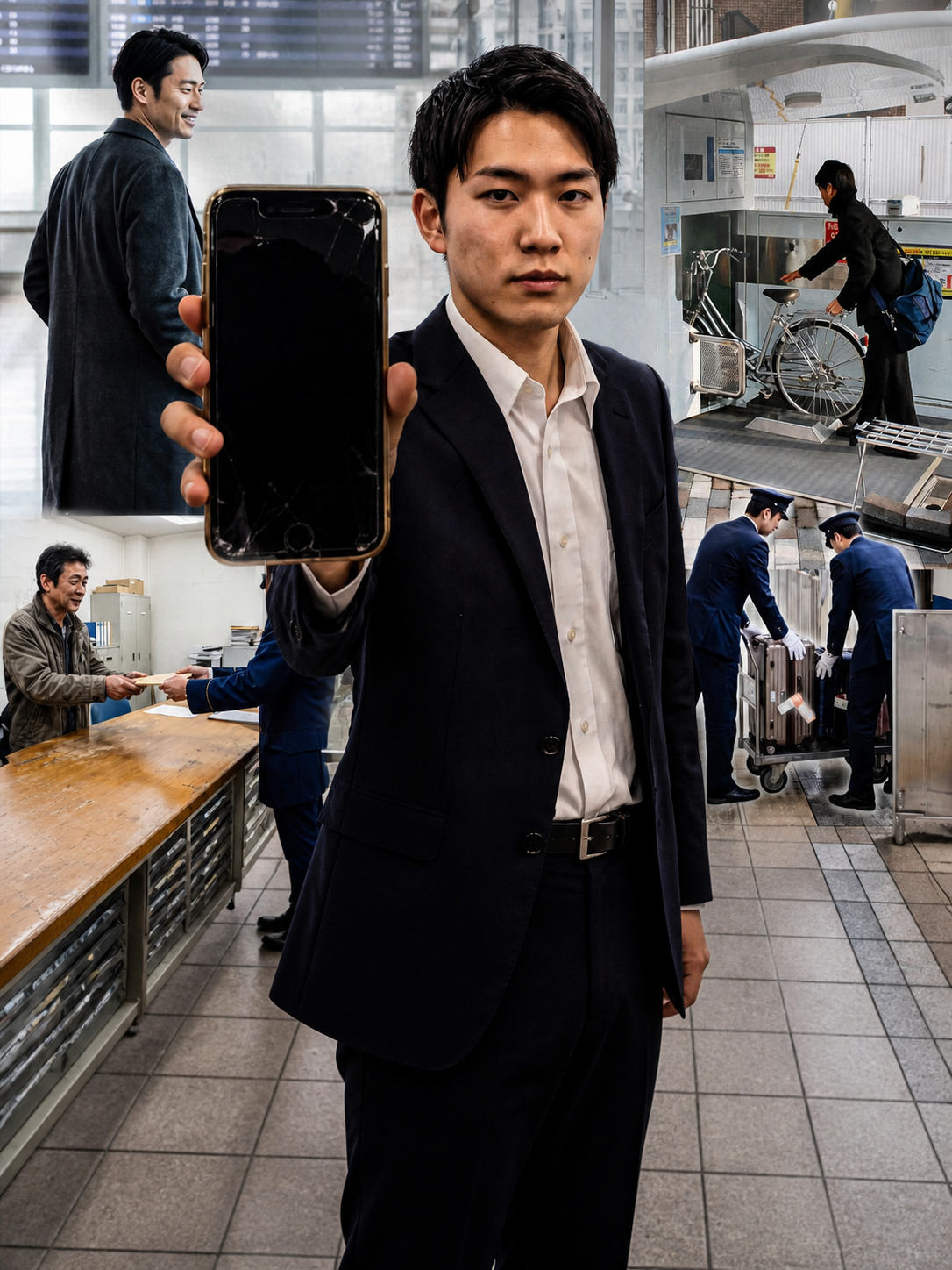
- In 2025, the Tokyo Metropolitan Police Department successfully returned approximately 119,500 lost mobile phones to their rightful owners, alongside billions of yen in misplaced cash handed in acro…
- Across Japan's major metropolitan areas, mechanical engineering solves acute spatial constraints.
- Disaster preparedness remains closely tied to digital and retail infrastructure.
 The Scale Report
In 2025, the Tokyo Metropolitan Police Department successfully returned approximately 119,500 lost mobile phones to their rightful owners, alongside billions of yen in misplaced cash handed in across the metropolis. The statistic illustrates an urban operating environment where physical civic trust is reinforced by deeply integrated logistical and mechanical systems.
Across Japan's major metropolitan areas, mechanical engineering solves acute spatial constraints. Companies like Giken have pioneered subterranean robotic bicycle storage systems that swallow commuter bikes in seconds and park them underground, leaving surface-level pedestrian plazas clear. Similar mechanical multi-level vehicle stacks maximize narrow city footprints where surface parking is economically unfeasible.
Infrastructure Engineered for Crisis
Disaster preparedness remains closely tied to digital and retail infrastructure. The Japan Meteorological Agency operates an automated seismic early-warning network that pushes broadcast alerts directly to mobile devices seconds before major shockwaves hit. On the ground, beverage distributors like DyDo Drinco maintain specialized vending machines designed to unlock and provide free drinks during large-scale emergency power outages.
Simultaneously, logistics operations leverage existing mass transit routes. Rail freight agreements with carriers like Yamato Transport utilize high-speed bullet train corridors to shuttle baggage and parcels between prefectures independently of passengers, cutting highway freight congestion.
Convenience store networks such as Seven-Eleven Japan have transitioned into essential civic infrastructure. Beyond groceries, these retail terminals process municipal tax payments, issue official residency documentation, and handle parcel pickups on behalf of public agencies.
As global megacities grapple with deteriorating transit networks and housing density challenges, Japan’s model highlights that effective urban automation is rarely just about cutting-edge algorithms. Instead, it functions because robust physical hardware, institutional coordination, and social compliance are treated as integrated public utilities.
Reporting based on coverage from @technology on Instagram.


