India Prepares Billion-Dollar Census After 15-Year Data Gap
Mobilizing over 3 million field workers, the massive demographic effort will reset outdated baselines for governance and economic policy.
Key highlights · 2 min read
- India is moving forward with its first nationwide population census in more than fifteen years, setting off one of the largest logistical and administrative undertakings in modern governance.
- The exercise requires deploying upwards of 3 million field workers across the subcontinent, with total expenditures projected to surpass $1 billion.
- The country has operated without an updated official population registry since its last decennial count in 2011.
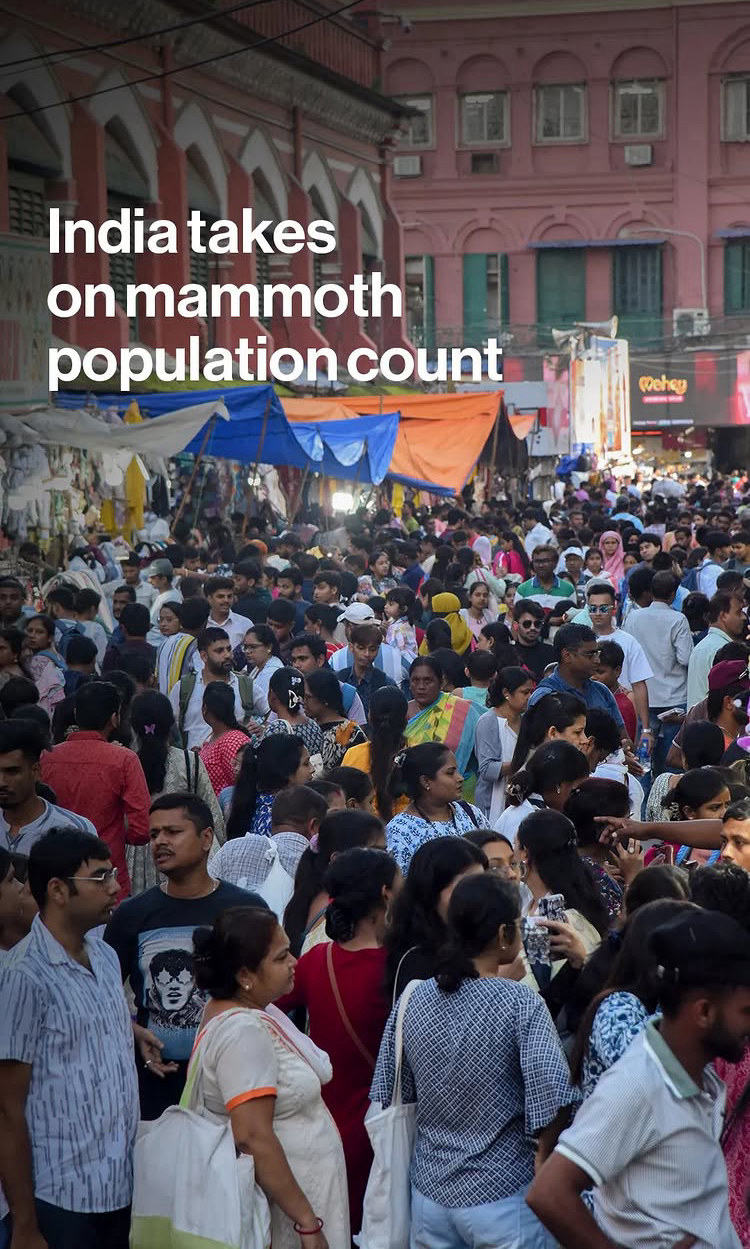 The Scale Report
India is moving forward with its first nationwide population census in more than fifteen years, setting off one of the largest logistical and administrative undertakings in modern governance.
The exercise requires deploying upwards of 3 million field workers across the subcontinent, with total expenditures projected to surpass $1 billion. The objective is to record granular demographic, economic, and social data for an estimated population exceeding 1.4 billion people.
A Lingering Information Vacuum
The country has operated without an updated official population registry since its last decennial count in 2011. The scheduled 2021 census was initially suspended during the COVID-19 pandemic and subsequently stalled amid operational and political delays, forcing administrators and researchers to rely on decades-old projections.
Conducting a count at this scale involves extensive ground-level verification across remote rural districts and rapidly expanding urban centers. Enumerators will document household structures, migration shifts, literacy levels, and employment patterns, compiling a comprehensive statistical picture of a transformed domestic economy.
Why It Matters
Accurate demographic counts form the foundation of Indian public administration. Fresh census data will dictate the distribution of billions of dollars in central government subsidies, reshape legislative constituency boundaries, and alter allocations for food security programs. For enterprises and institutional investors, the data will provide an indispensable baseline for evaluating consumer market size, urbanization rates, and regional labor dynamics after years of operating on estimates.
Reporting based on coverage from @bloombergbusiness on Instagram.