Kerri Walsh Jennings Highlights Financial Struggles Across Professional Beach Volleyball
The three-time Olympic gold medalist argues the sport must build better infrastructure to keep elite athletes from couch-surfing into their thirties.
Key highlights · 2 min read
- Elite beach volleyball continues to suffer from a lack of year-round commercial viability, leaving top competitors in precarious financial positions even at the peak of their careers.
- Walsh Jennings detailed the difficult sacrifices required to compete domestically and internationally, noting that many athletes struggle to cover basic living and travel expenses while touring.
- "They’re 30+ years old, sleeping on couches just trying to get around the country to play this game, and it’s really hard," Walsh Jennings said during the interview, presented by ETRADE from Morgan…
 The Scale Report
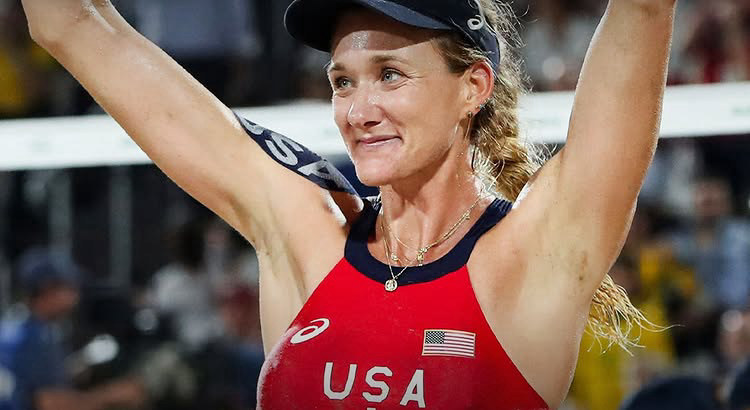
Elite beach volleyball continues to suffer from a lack of year-round commercial viability, leaving top competitors in precarious financial positions even at the peak of their careers. Three-time Olympic gold medalist Kerri Walsh Jennings brought the issue to the forefront during an appearance on the Portfolio Players show, pointing out the stark gap between Olympic visibility and everyday professional sustainability.
Walsh Jennings detailed the difficult sacrifices required to compete domestically and internationally, noting that many athletes struggle to cover basic living and travel expenses while touring.
"They’re 30+ years old, sleeping on couches just trying to get around the country to play this game, and it’s really hard," Walsh Jennings said during the interview, presented by E*TRADE from Morgan Stanley.
The Quadrennial Problem
Beach volleyball enjoys substantial global viewership during the Summer Olympics, routinely ranking among the most-watched events on television. However, that quadrennial spotlight rarely translates into stable, year-round revenue for the broader athlete pool. Outside of top-tier endorsement deals reserved for a handful of medalists, the prize money distributed across domestic circuits like the AVP and international tour stops often fails to offset coaching, travel, and recovery costs.
This dynamic is common across Olympic disciplines, where athletes operate as independent contractors with high overhead and inconsistent cash flow. Without robust media rights deals or sustainable league backing, domestic tours frequently struggle to maintain consistent event calendars and purse sizes.
Walsh Jennings, one of the most decorated figures in the sport's history, has increasingly focused on the commercial growth and modernization of beach volleyball. Her comments underscore an ongoing push within the athletic community to attract outside capital and overhaul revenue-sharing models, ensuring the next generation of players can earn a sustainable living.
Reporting based on coverage from @frontofficesports on Instagram.