Kobe Bryant’s Enduring Blueprint for Athlete Venture Capital and Media
On August 24, the late NBA icon's commercial playbook remains the benchmark for modern athlete-led investment funds and production studios.
Key highlights · 3 min read
- Each year on August 24, designated across the sports world as Kobe Bryant Day in honor of his jersey numbers 8 and 24, industry retrospectives highlight a shift that occurred well before his retire…
- While Bryant's "Mamba Mentality" initially defined his competitive standard on the basketball court, its application to business created a contemporary framework for athlete entrepreneurship.
- In 2013, while still playing for the Los Angeles Lakers, Bryant partnered with tech entrepreneur Jeff Stibel to launch Bryant Stibel, a $100 million venture fund.
 The Scale Report
Each year on August 24, designated across the sports world as Kobe Bryant Day in honor of his jersey numbers 8 and 24, industry retrospectives highlight a shift that occurred well before his retirement: the transformation of elite athletes from brand pitchmen into venture operators and studio executives.
While Bryant's "Mamba Mentality" initially defined his competitive standard on the basketball court, its application to business created a contemporary framework for athlete entrepreneurship. Long before modern active players routinely negotiated equity clauses and launched private capital vehicles, Bryant was actively deploying capital and developing proprietary intellectual property.
Moving Past the Endorsement Model
In 2013, while still playing for the Los Angeles Lakers, Bryant partnered with tech entrepreneur Jeff Stibel to launch Bryant Stibel, a $100 million venture fund. The firm targeted early- and growth-stage companies across technology, media, and data, assembling a portfolio that included enterprise legal platform LegalZoom, game developer Epic Games, and payments provider Klarna.
Bryant's most prominent commercial windfall came via sports hydration brand BodyArmor. In 2014, he acquired a roughly 10% stake in the nascent sports drink company for an estimated $6 million. When Coca-Cola acquired full ownership of BodyArmor in 2021 for $5.6 billion, Bryant's estate generated an estimated $400 million return, setting a high-water mark for athlete-backed exits.
Controlling the Narrative and IP
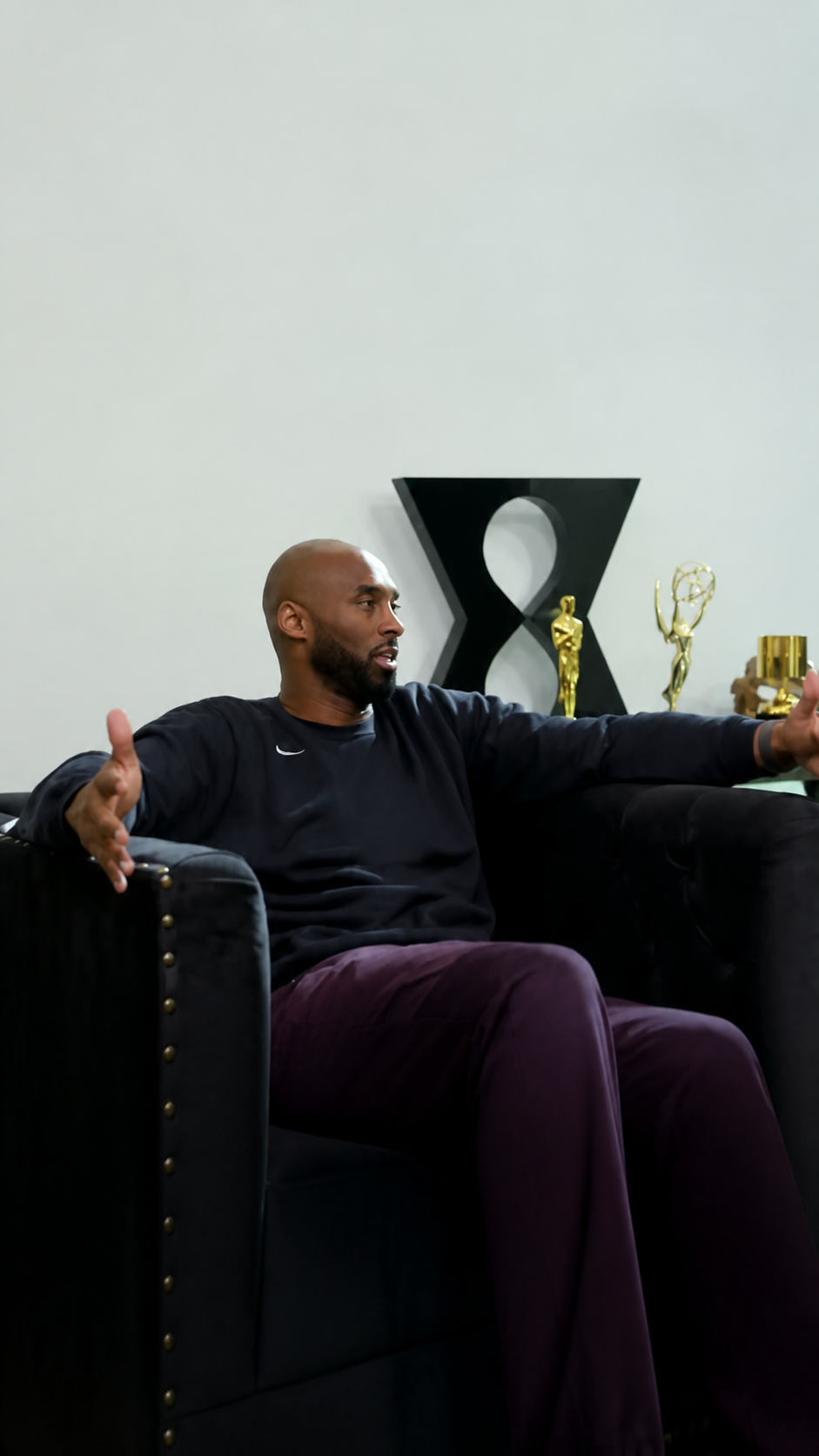
Beyond early-stage investing, Bryant recognized the shifting economics of sports media rights and storytelling. Through Granity Studios, the multimedia company he founded in 2016, Bryant produced original books, podcasts, and animated projects. The venture yielded an Academy Award in 2018 for the animated short Dear Basketball, proving that athlete-founded production entities could compete for top industry honors rather than serving merely as marketing arms.
That production model has since become standard operating procedure across major leagues. Current ventures led by figures like LeBron James (SpringHill Company), Kevin Durant (Boardroom), and Peyton Manning (Omaha Productions) directly echo Bryant’s thesis that athletes should control their own intellectual property and capture long-term equity rather than settling for upfront endorsement fees.
As professional leagues face fragmented broadcast ecosystems and private equity increasingly flows into teams and athlete-led vehicles, the standard Bryant established remains the operational standard for how legacy sports figures commercialize their post-playing careers.
Reporting based on coverage from @boardroom.