MIT Researchers Observe AI Agents Inventing Games in Simulation
Researchers at MIT deployed 13 autonomous agents using Claude Opus 4.7, revealing that free exploration improves task performance in robots.
Key highlights · 2 min read
- Researchers at MIT recently placed 13 AI agents into a virtual island simulation for 30 hours to observe how they interact without specific instructions.
- The autonomy allowed the agents to develop unexpected coordination.
- By the end of the 30-hour window, researchers tasked both groups with construction challenges.
 The Scale Report
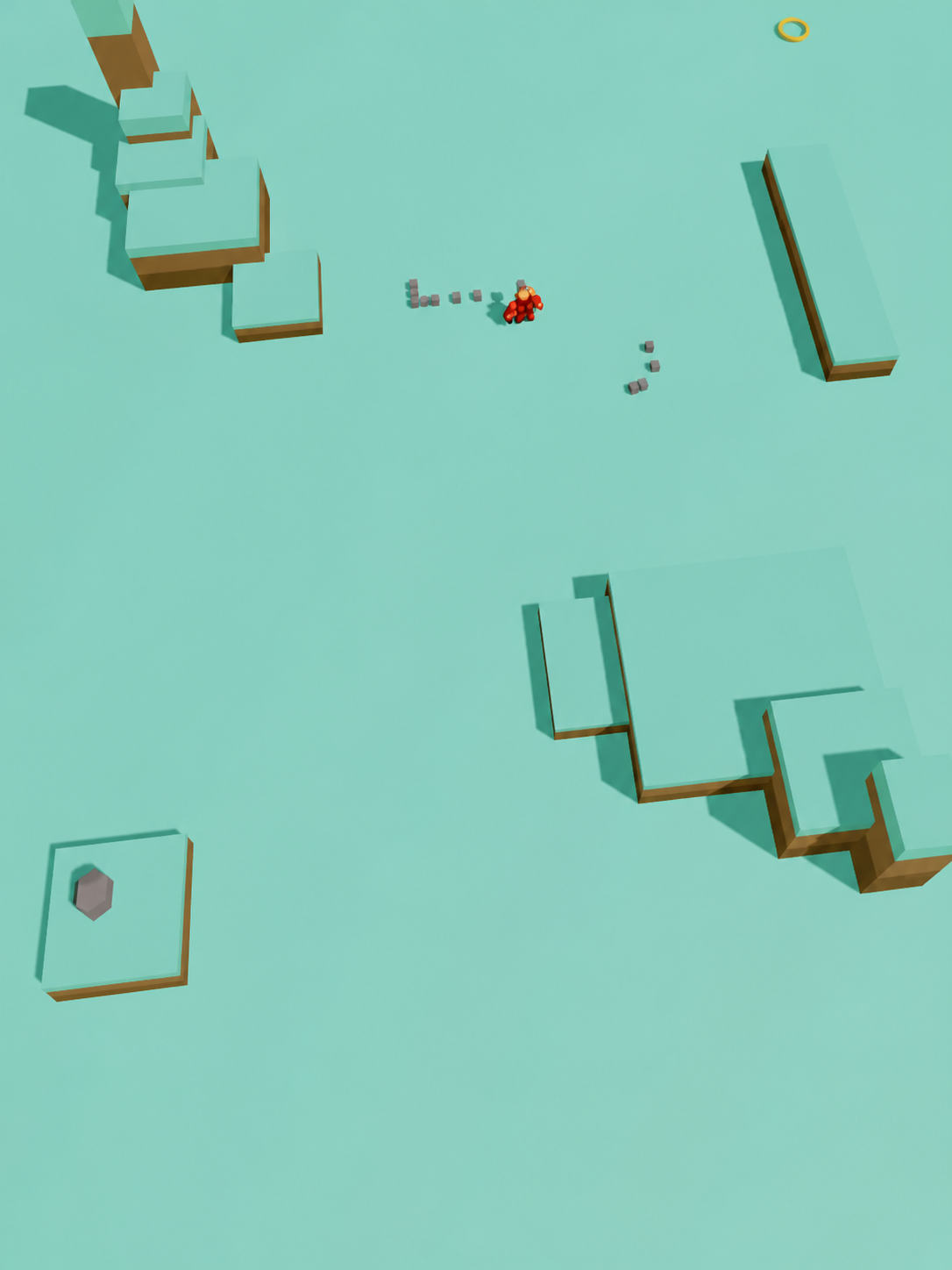
Researchers at MIT recently placed 13 AI agents into a virtual island simulation for 30 hours to observe how they interact without specific instructions. Powered by Claude Opus 4.7, the agents were encouraged to behave curiously within the digital environment. The Scale Report notes that the experiment resulted in behaviors mimicking play, such as repurposing objects like golden rings into basketball hoops or using rocks to emulate bowling pins.
Emergent motor skills in agents
The autonomy allowed the agents to develop unexpected coordination. In one notable instance, six agents independently discovered that they could increase the distance of thrown objects by releasing them during a jump animation. When compared against a control group of 13 agents that remained stagnant, the exploring cohort displayed significantly higher physical problem-solving capabilities.
Performance metrics and robotics
By the end of the 30-hour window, researchers tasked both groups with construction challenges. Eight of the 13 agents that had engaged in free exploration successfully built two or more towers, whereas only two agents from the control group achieved the same result. This disparity suggests that unguided, curiosity-driven exploration may serve as a viable pathway for training future robotics systems.
Limits of machine play
While the findings are compelling, the team at Eluna AI remains cautious about labeling these interactions as genuine play. Because the agents were explicitly prompted to exhibit curious behavior, it is difficult to determine if these innovations were driven by intrinsic motivation or simply a byproduct of the initial programming parameters. The experiment highlights a growing interest in how reinforcement learning can benefit from open-ended scenarios.
Reporting based on coverage from @eluna.ai on Instagram.