Old phones can double as dedicated smart home remotes
Old phones can run Google Home or Apple Home as a dedicated dashboard for lights, cameras and robot vacuums without a separate smart display.
Key highlights · 2 min read
- Old phones can take the place of a dedicated smart home display if they can still run the right app.
- The simplest setup starts with the platform that already manages your devices.
- To keep the controls visible, Android’s Stay Awake developer setting prevents the screen from timing out while the device is plugged in.
 The Scale Report
Old phones can take the place of a dedicated smart home display if they can still run the right app. Engadget tried the setup with a spare Android phone, using a wireless charging stand to keep Google Home within reach for tasks like switching lights and controlling a robot vacuum.
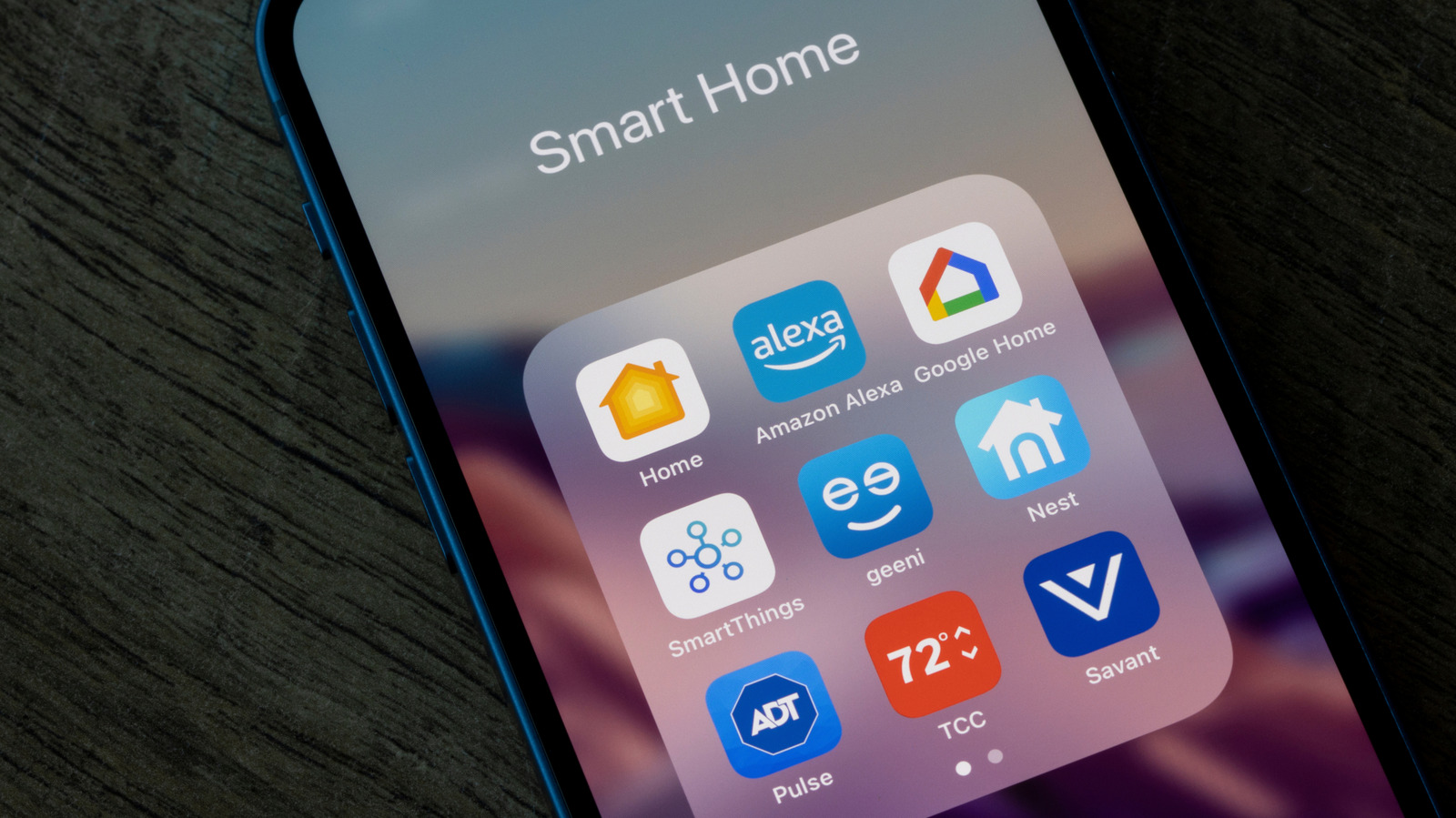
The simplest setup starts with the platform that already manages your devices. Google Home can put compatible Philips Hue, TP-Link Kasa and Govee products on one screen, while iPhone and iPad owners can use Apple’s Home app. Matter gives compatible products a common connectivity standard, but some accessories can join those platforms without supporting it.
To keep the controls visible, Android’s Stay Awake developer setting prevents the screen from timing out while the device is plugged in. On an iPhone or iPad, Guided Access can keep the device in a single app. A triple-click of the lock button brings up the option to exit.
Google Home and Apple Home let users rearrange controls, but Engadget found neither suited to adding extras such as a clock or weather panel. On Apple devices, HomeDash and HomePad offer more control over the layout. On Android, HomeHabit connects to supported devices directly rather than through Google Home.
Home Assistant offers more customization, including widgets and support for Zigbee and Thread. It can pair some Philips Hue and IKEA devices without their respective hubs, but it needs a computer such as a mini PC or Raspberry Pi running continuously. The old phone serves as the dashboard, not the host.
The Scale Report’s read: Reusing a phone makes the most sense when the devices you reach for most already share an app. A fixed screen saves you from pulling out your everyday phone or issuing a voice command, but it won’t bring incompatible accessories together on its own.
Reporting based on coverage from Engadget - Technology News & Expert Reviews.