Ole Miss Swept Facilities for Surveillance Devices Following Lane Kiffin’s Departure to LSU
Concerns over competitive espionage and roster poaching prompted physical counter-surveillance sweeps in Oxford.
Key highlights · 2 min read
- The high-stakes fallout of Southeastern Conference coaching transitions briefly mirrored a counter-intelligence operation following the 2025 season, when the University of Mississippi initiated phy…
- The security audit followed the departure of head coach Lane Kiffin, who exited Oxford to take over the football program at rival LSU, according to reporting from ESPN.
- Details of the counter-surveillance efforts were disclosed by Walker Jones, co-founder of the Ole Miss name, image, and likeness (NIL) collective, during a recent podcast appearance.
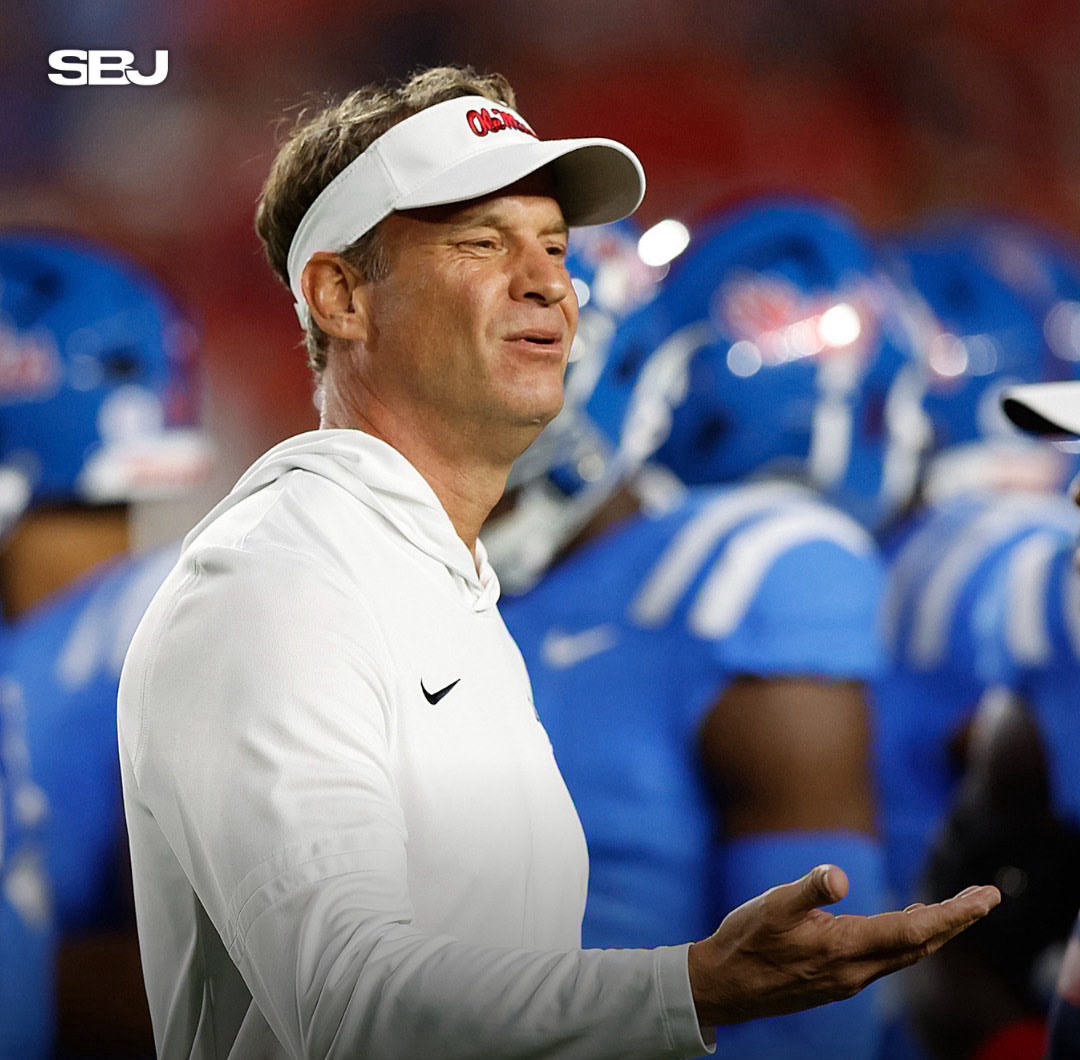 The Scale Report
The high-stakes fallout of Southeastern Conference coaching transitions briefly mirrored a counter-intelligence operation following the 2025 season, when the University of Mississippi initiated physical sweeps of its football facilities to search for covert listening equipment.
The security audit followed the departure of head coach Lane Kiffin, who exited Oxford to take over the football program at rival LSU, according to reporting from ESPN. Fearing the compromise of sensitive operational data, athletic department officials moved swiftly to inspect team infrastructure while simultaneously fighting to contain roster and staffing defections.
Details of the counter-surveillance efforts were disclosed by Walker Jones, co-founder of the Ole Miss name, image, and likeness (NIL) collective, during a recent podcast appearance. Jones described an acute fear of surveillance aimed at intercepting strategic communications as LSU actively recruited players and personnel from the Rebels' program.
“We actually had the FBI come through and walk the building for bugs and for everything,” Jones stated on the podcast, characterizing the university's posture in the immediate aftermath of Kiffin's exit.
Jones noted that anxiety extended to athletic administrators personally examining their workspaces for unauthorized hardware. “We knew kind of what was in Baton Rouge, and we knew how they operated. I remember getting on my knees and looking underneath the desk, like checking for, ‘Is there some sort of bug in my office?’” Jones recounted.
Why It Matters
While invoking federal law enforcement to inspect athletic facilities highlights peak institutional paranoia, the incident underscores how modern collegiate athletics increasingly mirrors cutthroat corporate operations. Proprietary roster management data, scheme playbooks, and internal NIL valuation models now command millions of dollars in institutional value, turning intra-conference coaching shifts into high-risk intellectual property transfers.
As the transfer portal and immediate eligibility rules compress the timeline for rebuilding rosters, technical security and information containment are becoming standard operational priorities for major athletic programs navigating abrupt executive turnover.
Reporting based on coverage from @sportsbusinessjournal on Instagram.