Secondary Ticket Prices for 2026 World Cup See Early Fluctuations on Resale Platforms
Marketplace data from TickPick points to shifting entry points for North America's upcoming mega-tournament.
Key highlights · 2 min read
- Secondary ticketing platforms are recording early pricing adjustments for the 2026 FIFA World Cup, offering a preliminary look at consumer demand patterns for the expanded 48-team tournament hosted…
- Recent data highlighted by sports business analyst Joe Pompliano via ticketing platform TickPick indicates notable shifts in baseline admission costs for select fixtures.
- The 2026 tournament marks the largest World Cup in history, featuring 104 matches staged in 16 metropolitan regions.
 The Scale Report
Secondary ticketing platforms are recording early pricing adjustments for the 2026 FIFA World Cup, offering a preliminary look at consumer demand patterns for the expanded 48-team tournament hosted across the United States, Canada, and Mexico.
Recent data highlighted by sports business analyst Joe Pompliano via ticketing platform TickPick indicates notable shifts in baseline admission costs for select fixtures. While marquee knockout matches and host-nation games continue to command steep premiums, entry-level pricing for group-stage matches has shown signs of softening as inventory circulates across secondary exchanges.
Shifting Market Dynamics
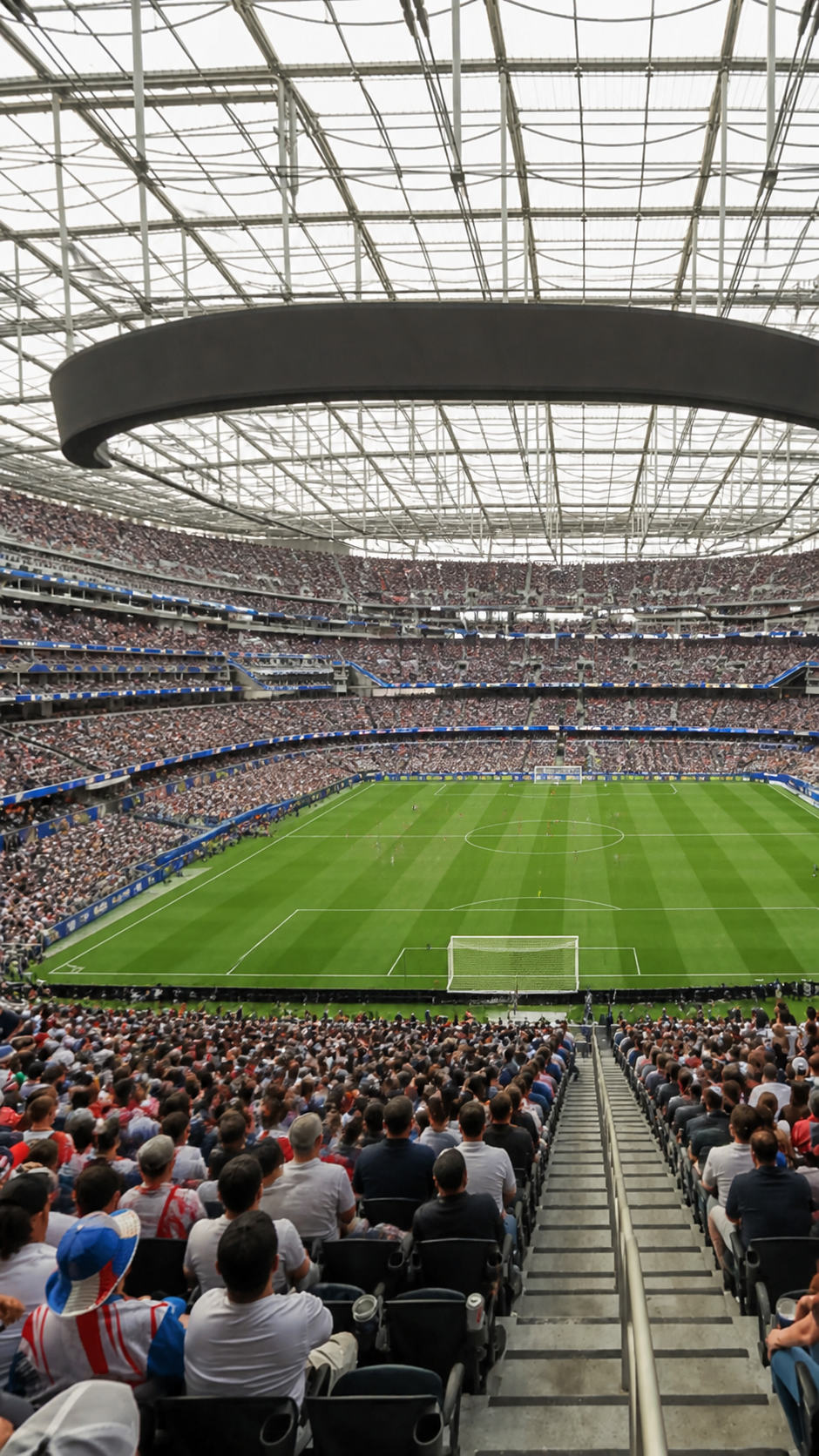
The 2026 tournament marks the largest World Cup in history, featuring 104 matches staged in 16 metropolitan regions. The massive volume of available seats - driven by large-capacity NFL stadiums such as MetLife Stadium in New Jersey, AT&T Stadium in Texas, and SoFi Stadium in California - creates an inventory profile substantially larger than previous tournaments in Qatar or Russia.
Ticketing analysts note that while initial lottery distributions and official corporate packages set a high valuation floor, open-market platforms often experience price recalibration as speculative ticket holders adjust expectations against actual regional demand.
Accessibility Versus Yield
For FIFA and local organizing committees, the balance between ticket yield and full stadium utilization remains a key operational metric. Secondary market contractions on specific matches may lower the barrier to entry for domestic sports fans who were initially priced out by high initial estimates.
However, dynamic pricing algorithms and platform service fees remain a hurdle. Market observers caution that while 'get-in' prices for lower-profile group matchups may trend downward, costs for matches featuring global contenders like Argentina, Brazil, or high-draw European squads are expected to remain volatile.
Why It Matters
The pricing movements on platforms like TickPick provide an early benchmark for North American live-event economics heading into 2026. With over 6 million tickets ultimately entering circulation, secondary exchange performance will serve as a bellwether for international tourism spend, regional travel willingness, and the real-world demand ceiling for international soccer in the United States.
Reporting based on coverage from @joepompliano.