Southeast Asia Weighs Rapid Urbanization Against Its Architectural Heritage
Modern development and colonial legacies create a complicated preservation battle across the region's historic tourist hubs.
Key highlights · 2 min read
- Fast-paced commercial development across Southeast Asia is putting decades-old architectural landmarks under threat of demolition, setting off fresh debates over historical preservation in cities h…
- The dynamic presents a complex challenge for urban planners and municipal authorities.
- Preservation efforts are further complicated by the origins of the buildings themselves.
 The Scale Report
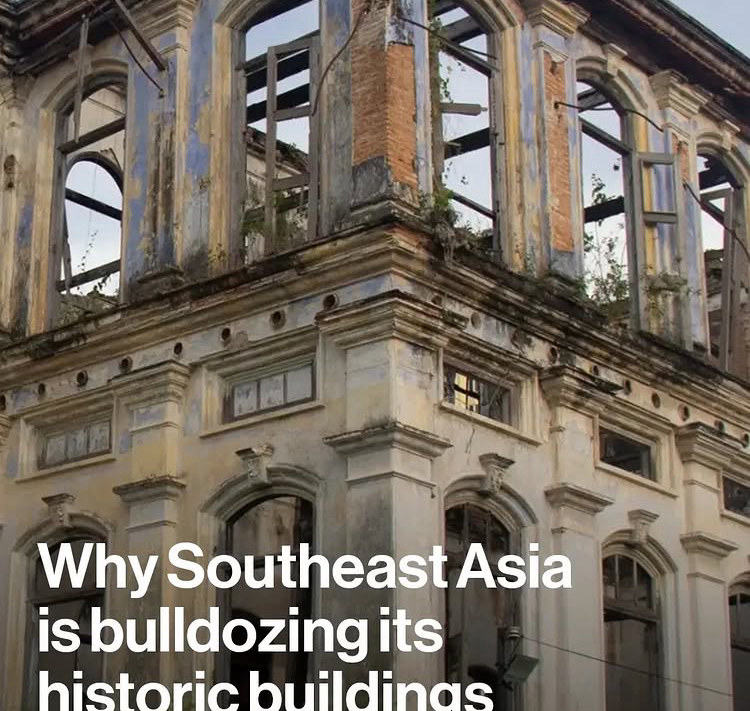
Fast-paced commercial development across Southeast Asia is putting decades-old architectural landmarks under threat of demolition, setting off fresh debates over historical preservation in cities heavily reliant on foreign tourism.
The dynamic presents a complex challenge for urban planners and municipal authorities. While historic structures frequently anchor the cultural appeal of major metropolitan centers and draw millions of visitors annually, modernizing downtown cores offers powerful financial incentives through high-density commercial real estate and infrastructure projects.
Preservation efforts are further complicated by the origins of the buildings themselves. A large share of the region's distinctive older architecture dates back to European colonial administration. This historical connection leaves local policymakers to navigate whether public funds, tax incentives, and protective zoning should be used to safeguard physical symbols of foreign rule.
The Economic Stakes
The tension highlights an ongoing trade-off between short-term urban expansion and long-term cultural capital. Heritage tourism represents a meaningful contributor to regional economic activity, but weak conservation laws and rising land values often leave aging properties vulnerable to private redevelopment.
Without comprehensive frameworks for adaptive reuse, cities risk stripping away the unique built environments that distinguish them on the global stage. As regional economies expand, determining how to modernize without erasing physical history has emerged as a critical civic test across Southeast Asian capitals.
Reporting based on coverage from @bloombergbusiness on Instagram.