
Tesla Cybercab Vision Relies on Airbnb-Style Revenue Model for Owners
Elon Musk pitches personal ownership and automated ride-hailing for the pedal-less vehicle, though key financial terms remain unconfirmed.
Key highlights · 2 min read
- Tesla is positioning its forthcoming Cybercab as an income-generating asset for everyday buyers, envisioning an autonomous ride-hailing ecosystem where privately owned vehicles carry paying passeng…
- Elon Musk, chief executive of Tesla, has framed the operational model as a hybrid between Airbnb and Uber.
- Demonstrations have already begun on a restricted scale, with Tesla conducting limited passenger rides in Austin, Texas, according to a report from [@technology on Instagram](https://www.instagram.…
 The Scale Report
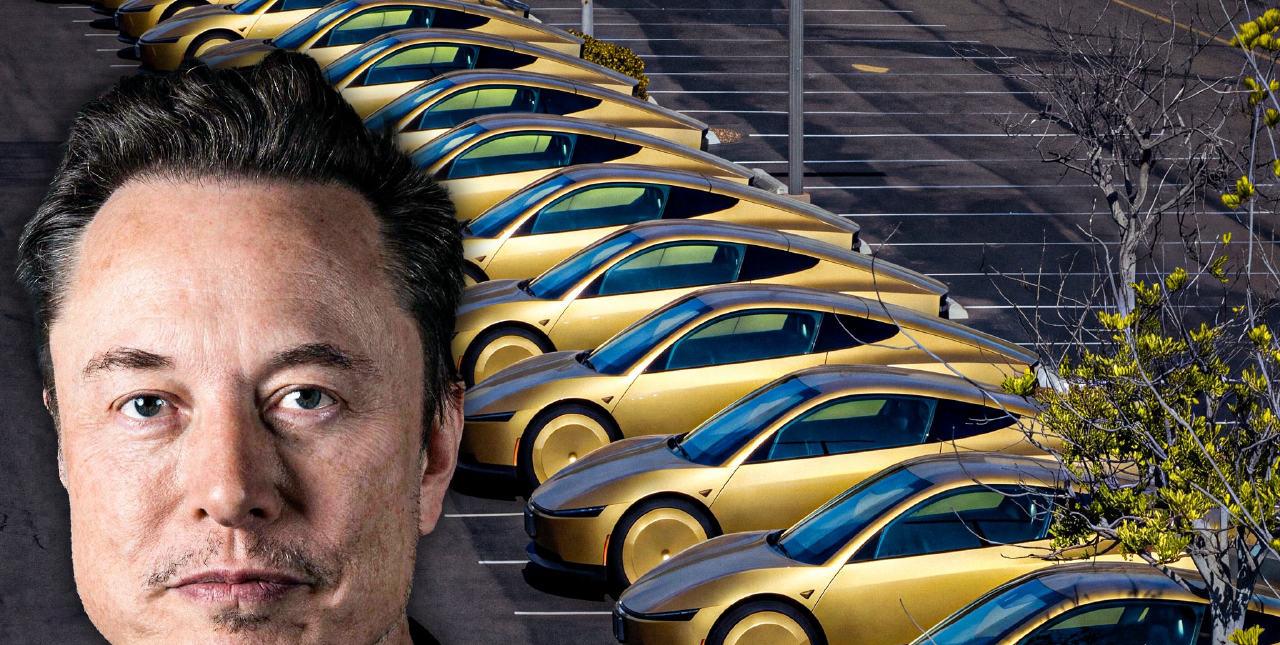
Tesla is positioning its forthcoming Cybercab as an income-generating asset for everyday buyers, envisioning an autonomous ride-hailing ecosystem where privately owned vehicles carry paying passengers while their owners are busy elsewhere.
Elon Musk, chief executive of Tesla, has framed the operational model as a hybrid between Airbnb and Uber. Under the concept, private owners could add their vehicles to Tesla's shared network to fulfill rides during idle hours and pull them back whenever personal transport is needed. Tesla intends to operate its own dedicated fleet alongside private participants while taking a cut of each fare, though the platform's exact commission rate has not been disclosed.
Demonstrations have already begun on a restricted scale, with Tesla conducting limited passenger rides in Austin, Texas, according to a report from @technology on Instagram. The Cybercab design fully departs from traditional automotive architecture, omitting both a steering wheel and pedals in favour of complete software control.
Unresolved Pricing and Regulatory Questions
Musk previously set an aggressive retail target below $30,000 for the vehicle. However, Tesla has yet to publish binding commercial purchase terms, consumer warranties, or the revenue-sharing percentages that would govern fleet participation.
The concept of turning private passenger cars into self-monetising assets has formed the foundation of Tesla's robotaxi promises for years. Realising that vision requires crossing major technical, insurance, and regulatory hurdles, particularly when deploying a vehicle with zero manual override capabilities across mixed municipal jurisdictions.
Until Tesla secures wide-ranging regulatory approvals for fully driverless commercial transport and details the financial mechanics for prospective buyers, the Cybercab's timeline from testing phase to viable revenue stream remains uncertain.
Reporting based on coverage from @technology on Instagram.


