Tibet Cultivates High Altitude Wine Industry in Himalaya
Amid China's regional integration efforts, vineyards situated 3,600 meters above sea level are now producing viable commercial vintages.
Key highlights · 2 min read
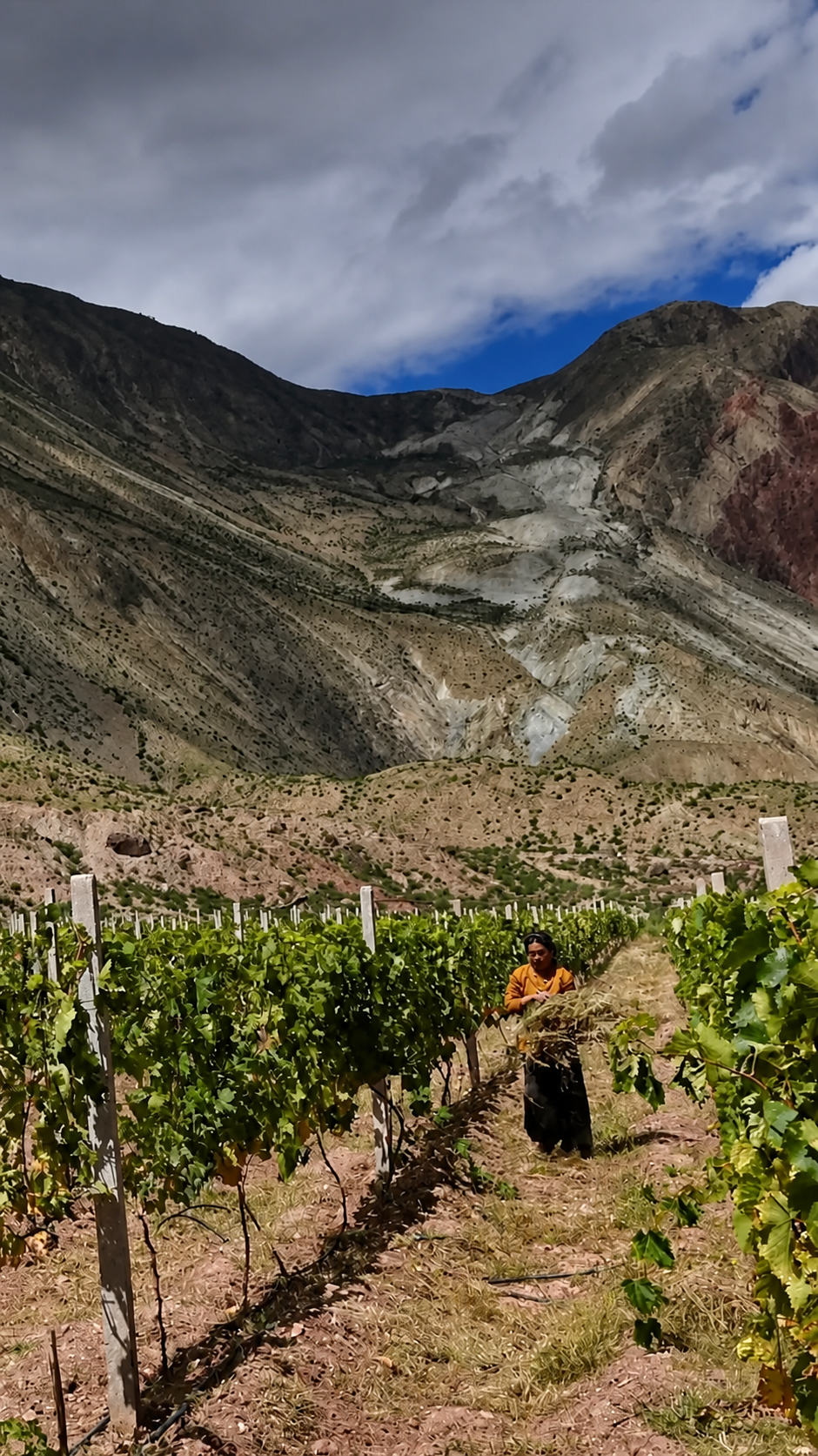
- Tibet is establishing an improbable viticulture sector, successfully harvesting grapes at the highest vineyard elevations globally.
- The Scale Report understands that this agricultural development aligns with broader efforts by Chinese authorities to foster economic growth and closer integration within the Tibetan territory.
- Transitioning high altitude regions toward cash crops like wine grapes serves as a dual tool for local development and geopolitical consolidation.
 The Scale Report
Tibet is establishing an improbable viticulture sector, successfully harvesting grapes at the highest vineyard elevations globally. Reporters at Bloomberg note that these operations are thriving at 3,600 meters above sea level despite the extreme environmental challenges inherent to the Himalayan region.
The Strategic Push for Himalayan Viticulture
The Scale Report understands that this agricultural development aligns with broader efforts by Chinese authorities to foster economic growth and closer integration within the Tibetan territory. The industry is currently moving beyond experimental stages, demonstrating that specialized grape varieties can withstand the thinning air and volatile temperatures found in the mountains.
Why Agricultural Integration Matters
Transitioning high altitude regions toward cash crops like wine grapes serves as a dual tool for local development and geopolitical consolidation. By moving into luxury goods production, the region gains a unique market identity that diverges from traditional pastoral economies, potentially attracting further infrastructure investment from the central government. Whether these vineyards can achieve consistent global scale remains to be seen, but the initial production volume indicates a serious attempt to diversify the local economy.
Reporting based on coverage from @bloombergbusiness on Instagram.