Bessent's 'Economic D-Day' Push on Iran Sets Up Clash With Beijing
Aggressive new US financial measures target Tehran while risking deeper economic fallout with China.
Key highlights · 2 min read
- The US Treasury Department is preparing a severe escalation in financial pressure against Tehran, with Treasury Secretary Scott Bessent warning of an impending "economic D-Day" targeting the Irania…
- While the aggressive posture is aimed at crippling Iran's revenue streams and curbing its regional footprint, the strategy immediately runs into a major geopolitical complication: China.
- To effectively enforce the promised financial squeeze, Washington would need to target Chinese intermediaries, maritime logistics networks, and regional banks that facilitate Sino-Iranian trade.
 The Scale Report
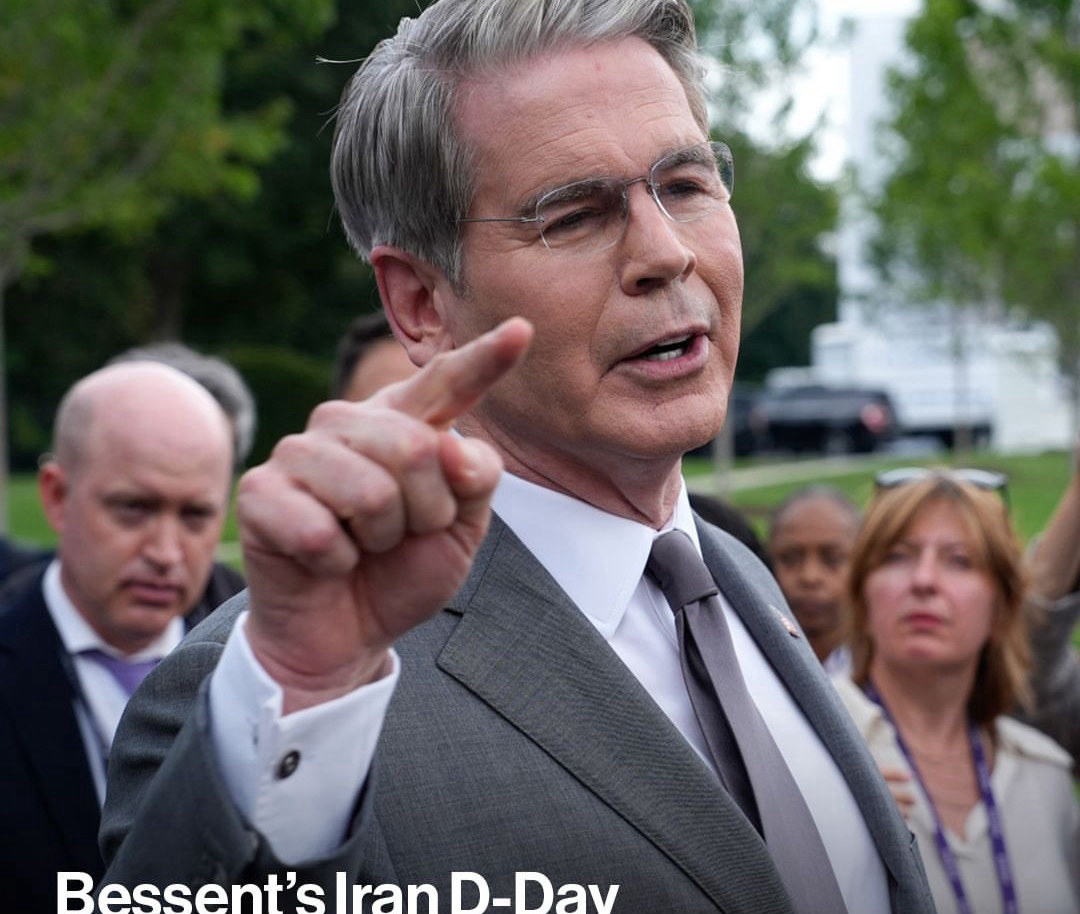
The US Treasury Department is preparing a severe escalation in financial pressure against Tehran, with Treasury Secretary Scott Bessent warning of an impending "economic D-Day" targeting the Iranian regime.
While the aggressive posture is aimed at crippling Iran's revenue streams and curbing its regional footprint, the strategy immediately runs into a major geopolitical complication: China. Beijing currently serves as Iran's primary trade partner and the top buyer of its crude exports, making Chinese commercial channels the primary conduit through which Iranian capital flows.
Secondary Sanctions in Focus
To effectively enforce the promised financial squeeze, Washington would need to target Chinese intermediaries, maritime logistics networks, and regional banks that facilitate Sino-Iranian trade. Imposing strict secondary sanctions on these entities would inevitably force a direct standoff between the world's two largest economies.
Beijing has consistently rejected unilateral US sanctions, arguing they violate international norms and sovereign trading rights. If the Treasury moves aggressively against Chinese buyers and financial firms, it could trigger retaliatory trade friction or supply chain disruptions at a time when bilateral relations are already fragile.
Why It Matters
For global markets and cross-border commerce, the planned crackdown tests the limits of dollar hegemony and secondary sanctions enforcement. Pushing hard against Chinese transactions risks accelerating non-dollar settlement systems and alternative financial architecture, complicating Washington's long-term leverage over global trade flows while increasing volatility across energy and manufacturing corridors.
Reporting based on coverage from @bloombergbusiness on Instagram.