Nutrafol Co-Founder Giorgos Tsetis Deploys Nearly $40 Million via Great Things Family Office
The investment vehicle pledges 20 percent of realized profits to philanthropy while backing later-stage tech companies like Anthropic and SpaceX.
Key highlights · 2 min read
- Nutrafol co-founder Giorgos Tsetis is testing an alternative approach to wealth management through his family office, Great Things.
- Under the office's core operating model, at least 20 percent of annual net realized profits are routed to a network of designated impact partners.
- Great Things has focused its recent capital allocation on high-profile private market leaders.
 The Scale Report
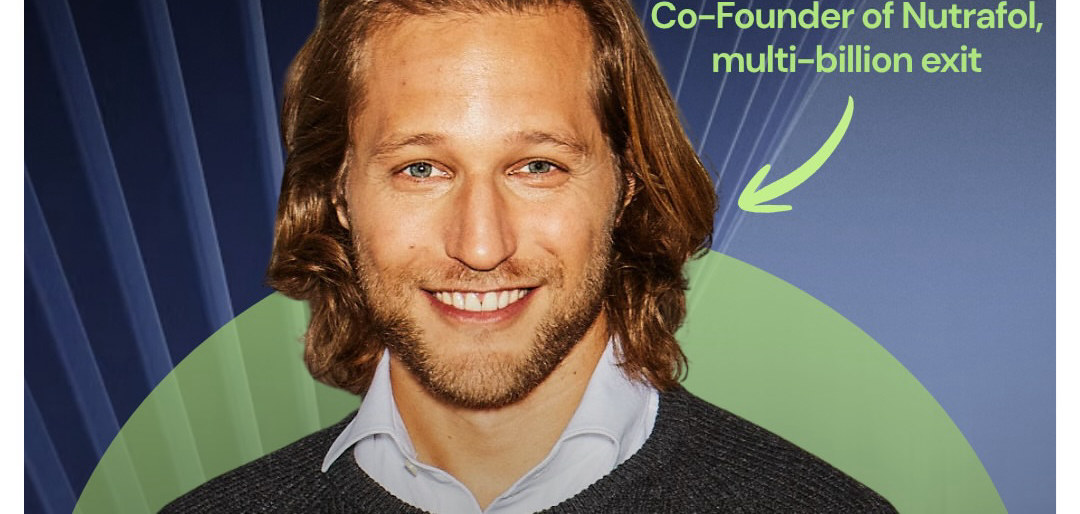
Nutrafol co-founder Giorgos Tsetis is testing an alternative approach to wealth management through his family office, Great Things. Over the past 18 months, the firm has deployed nearly $40 million into private technology companies while tying investment returns directly to philanthropic giving.
Under the office's core operating model, at least 20 percent of annual net realized profits are routed to a network of designated impact partners. The structure is designed to distribute capital continuously as investment gains materialize, rather than deferring philanthropic activity until a founder exits the market entirely.
Great Things has focused its recent capital allocation on high-profile private market leaders. Its current portfolio includes artificial intelligence research lab Anthropic, commercial aerospace manufacturer SpaceX, and biotechnology firm Lila Sciences.
Selective AI Exposure
Amid shifting venture valuations and crowded artificial intelligence rounds, the family office is tightening its underwriting standards for new tech investments. Great Things is increasingly prioritizing late-stage businesses with proprietary intellectual property, clear timelines to liquidity, and sufficient balance-sheet resilience to navigate potential downturns.
The thesis mirrors a broader rotation among private investors who are stepping back from speculative early-stage AI startups in favor of established platform players with proven enterprise adoption.
Rethinking Liquidity Cycles
The traditional family office playbook separates wealth accumulation from charitable foundations, often locking capital into tax-advantaged donor vehicles decades after wealth is generated. By contrast, real-time allocation frameworks like Great Things force family offices to treat social impact as an ongoing cost of capital.
However, the model relies fundamentally on actual cash realizations rather than paper markups. In a private market environment where initial public offerings and acquisition exits remain muted, the volume of capital reaching non-profit partners will hinge heavily on secondary market activity and structured liquidity events.
Reporting based on coverage from @tradedvc on Instagram.