Voya Energy Raises $35M to Swap Data Center Diesel Generators for Scrap Aluminum
Led by Energy Impact Partners with backing from John Doerr and Founders Fund, the Series A targets commercial rollout by 2027.
Key highlights · 2 min read
- Voya Energy has secured $35 million in Series A funding to tackle one of the most stubborn emissions sources in modern computing infrastructure: diesel backup generators.
- The financing round was led by climate-focused firm Energy Impact Partners, drawing participation from prominent venture backers including John Doerr, Founders Fund, StepStone Group, Mantis VC, Ove…
- Founded by Richard Wang, Matt Horton, and Steven Kaye, Voya aims to replace the dirty, fossil-fueled generator fleets that mission-critical facilities rely on during grid outages.
 The Scale Report
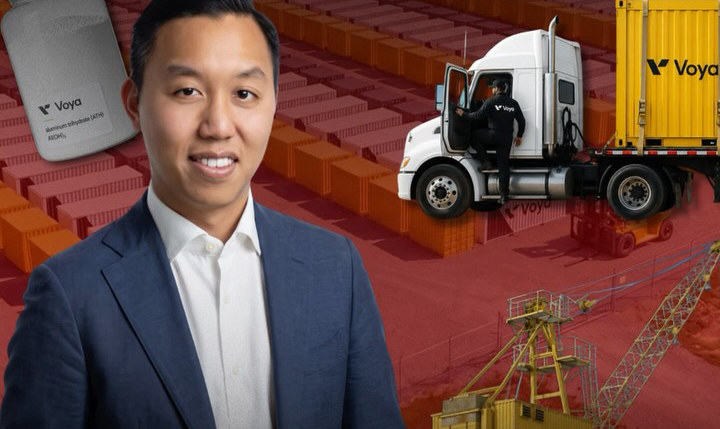
Voya Energy has secured $35 million in Series A funding to tackle one of the most stubborn emissions sources in modern computing infrastructure: diesel backup generators. The Hayward, California-based startup is building an on-demand power platform that converts recycled scrap aluminum into zero-emission electricity for critical facilities, with data centers positioned as its primary market.
The financing round was led by climate-focused firm Energy Impact Partners, drawing participation from prominent venture backers including John Doerr, Founders Fund, StepStone Group, Mantis VC, Overmatch Ventures, and Seven Stars.
Founded by Richard Wang, Matt Horton, and Steven Kaye, Voya aims to replace the dirty, fossil-fueled generator fleets that mission-critical facilities rely on during grid outages. Instead of storing diesel or deploying expensive battery arrays that degrade over time, Voya's system leverages aluminum - a dense, stable energy carrier - to generate electricity on demand without carbon emissions.
The Decarbonization Bottleneck
Data center operators are under acute pressure to reduce their carbon footprints while simultaneously expanding capacity to support massive AI computing workloads. While tech giants have aggressively contracted wind and solar for primary power, backup generation remains overwhelmingly tethered to diesel due to reliability and run-time requirements. If Voya's chemistry and hardware deliver on performance, aluminum-to-energy systems could offer a clean, high-density alternative that avoids the thermal runaway risks and supply chain constraints of massive lithium-ion installations.
The new capital will fund ongoing core technology development ahead of scheduled pilot deployments in 2027. If those initial field trials succeed, Voya plans to begin scaling commercial manufacturing in 2028.
Still, the timeline underscores the long-horizon challenge of deploying novel hardware in mission-critical environments. Convincing risk-averse enterprise operators to trust novel non-diesel architectures with uptime guarantees will require flawless demonstration before the company can realistically capture industrial market share.
Reporting based on coverage from @tradedvc on Instagram.